Trekking Rwenzori Mountains is widely considered one of the most challenging and rewarding adventures in Africa.
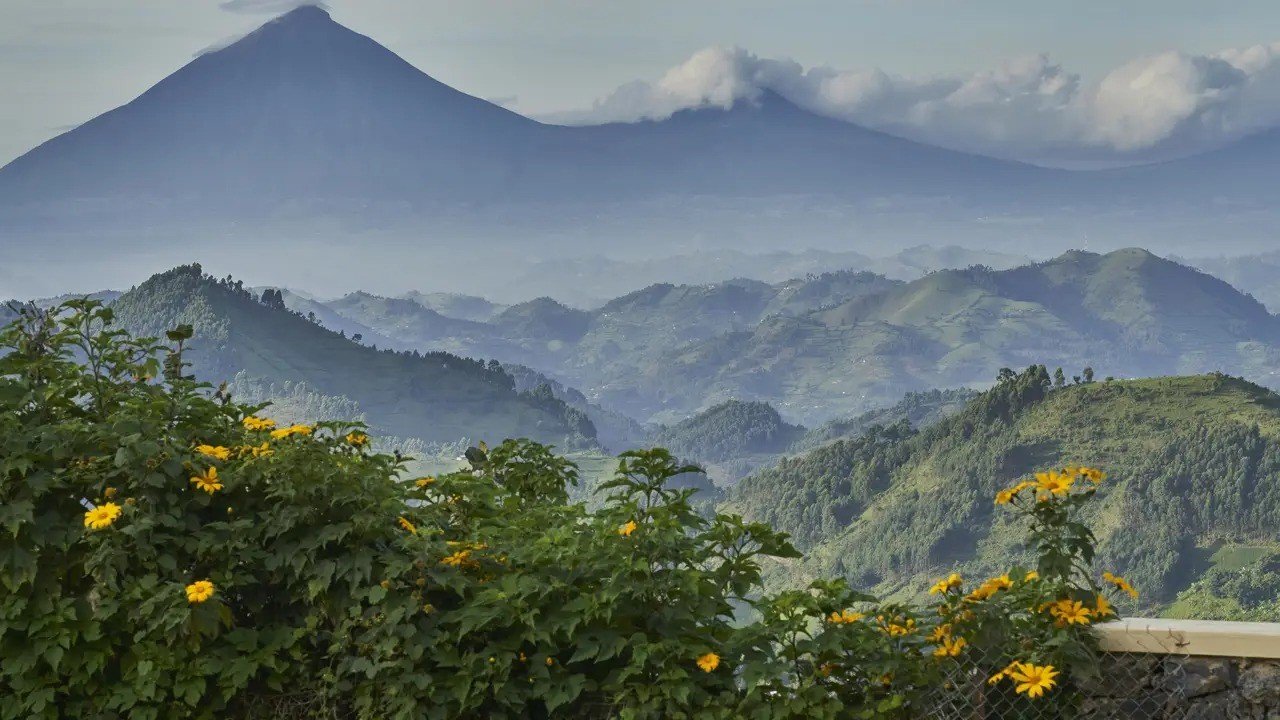
Rising along Uganda’s border with the Democratic Republic of Congo, these peaks have captivated explorers for centuries. Ancient geographer Ptolemy famously referred to them as the “Mountains of the Moon,” and once you’re standing among their mist-shrouded slopes, you’ll understand why. With equatorial glaciers, bizarre vegetation that looks straight out of a fantasy novel, and Africa’s third-highest summit, the Rwenzoris offer an experience unlike any other trek on the continent.
But here’s what you really want to know: Can you actually do this? What’s it really like? And how do you prepare for trekking Rwenzori Mountains without losing your mind in the planning process? Let’s break it down.
Why the Rwenzoris Are Different From Other African Mountains
When most people think of mountain trekking in Africa, Kilimanjaro comes to mind. But the Rwenzoris are an entirely different beast, in the best possible way. For starters, these aren’t volcanic peaks. They’re ancient block mountains, pushed up by tectonic forces over millions of years, creating a rugged, glacier-carved landscape that feels more like the Alps than East Africa.
Here’s what makes trekking Rwenzori Mountains truly unique: you’ll encounter glaciers and snow at the equator.
Yes, really. While climate change has reduced the ice cover significantly, glaciers still cling to the highest peaks, including Margherita Peak at 5,109 meters. The vegetation zones you’ll pass through read like a botanical fever dream: giant lobelias that grow to 8 meters tall, otherworldly groundsels, and moss-draped forests so dense they seem prehistoric.
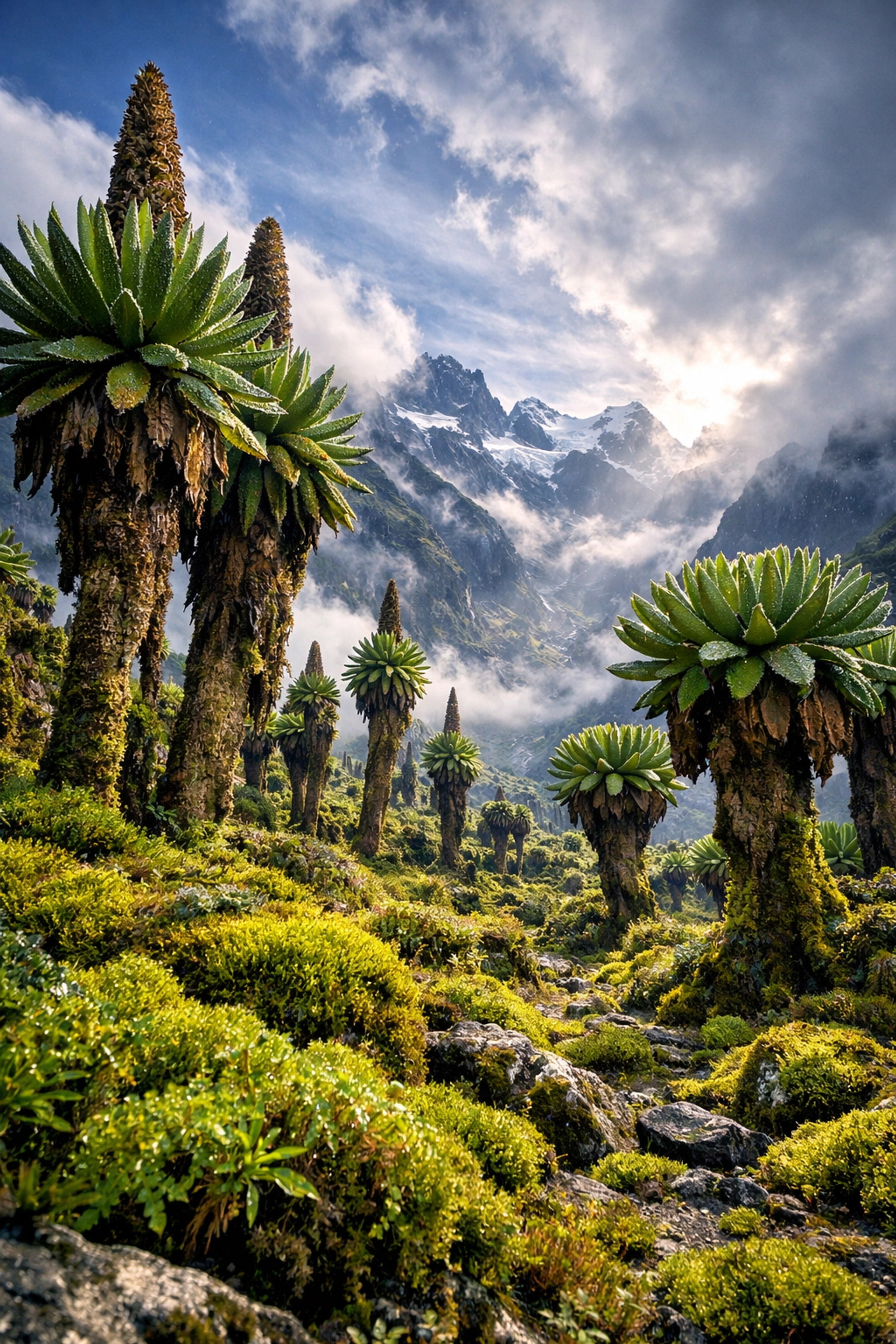
The Rwenzoris receive more rainfall than almost anywhere else in Africa, which creates that thick, mysterious atmosphere that earned them their lunar nickname. Don’t worry: this isn’t a negative. The rain creates stunning biodiversity, cascading waterfalls, and those dramatic cloud formations that make your photos look professionally edited even when they’re not.
Which Trekking Route Is Right for You?
Trekking Rwenzori Mountains means choosing between three main routes, each with its own personality and challenges.
The good news? There’s genuinely something for different preferences and experience levels.
The Central Circuit is the most popular option, and for good reason. This 7-day, roughly 24-kilometer trek starts at Mihunga gate and takes you through all the major vegetation zones up to the high-altitude zone where you can attempt Margherita Peak. It’s the classic Rwenzori experience, offering the perfect balance of challenge and accessibility. Most first-time trekkers choose this route.
The Kilembe Trail takes 8 days and is favored by experienced hikers who want better acclimatization time and more comfortable sleeping arrangements. The mountain huts along this route are considered the best in the Rwenzoris: a welcome comfort when you’re exhausted and altitude is making everything feel harder than it should. The extra day really does help your body adjust to the thin air, reducing the risk of altitude sickness.
The Bukurungu Trail is for adventurers who want the wild experience. Eight days of camping in remote areas with no permanent huts, starting from Kasanzi park gate. This route sees far fewer trekkers, which means you’ll have the “Mountains of the Moon” almost to yourself. But it requires more self-sufficiency and comfort with truly backcountry conditions.
At Orugano Safaris, we help you choose the right route based on your fitness level, experience, and what you actually want from the trek: not just what sounds impressive. Our personalized travel advisory means you’ll start with the route that matches your abilities and aspirations.
Be Honest: How Fit Do I Need to Be?
This is the question everyone asks, and here’s the real answer: trekking Rwenzori Mountains requires average fitness, not superhero status. If you’re worried it’s “only for elite hikers,” don’t worry—trekking Rwenzori Mountains is absolutely doable with steady preparation and the right support team.
You don’t need to be climbing gym walls every weekend or running ultramarathons. But you do need to be comfortable hiking 5-8 hours daily with a daypack (porters carry the heavy gear) over varied terrain.
The challenges are real but manageable. The terrain is rugged: think loose rocks, steep ascents, muddy descents, and slippery sections where trekking poles become your best friends. You’ll gain and lose significant elevation daily, which taxes different muscle groups than flat-ground hiking. And you’ll be doing all of this above 4,000 meters eventually, where the air contains notably less oxygen.
Here’s what helps most: start a training program 2-3 months before your trek. Focus on hiking with elevation gain if possible, or use stair climbing and incline treadmill work if you’re in flat terrain. Build your cardio endurance gradually. Practice hiking in the rain (seriously) because you’ll likely encounter wet conditions on the Rwenzoris. And break in your boots thoroughly: blisters at altitude are misery you don’t want.
The reassuring truth? Almost anyone with reasonable health and determination completes these treks successfully. Your guides and porters provide incredible support, the pace is deliberately gradual for acclimatization, and there are rest days built into longer routes.
What You’ll Actually Experience: The Vegetation Zones
One of the most fascinating aspects of trekking Rwenzori Mountains is watching the landscape transform as you gain altitude. This is the part of trekking Rwenzori Mountains that surprises most people—every day feels like you’ve walked into a completely new world.
You’ll pass through 5-6 distinct vegetation zones, each with its own ecosystem and visual character.
You start in the savannah zone (680-1,800 meters), where farming communities live and cultivate the lower slopes. The Bakonjo people, indigenous to these mountains, are known for their warmth and hospitality: you’ll likely share tea and conversation at the trailhead.
Next comes the afromontane forest zone (1,800-2,600 meters), where dense rainforest creates a cathedral-like atmosphere. Colobus monkeys crash through the canopy, and the trail is often muddy and root-crossed. This is classic East African mountain forest.
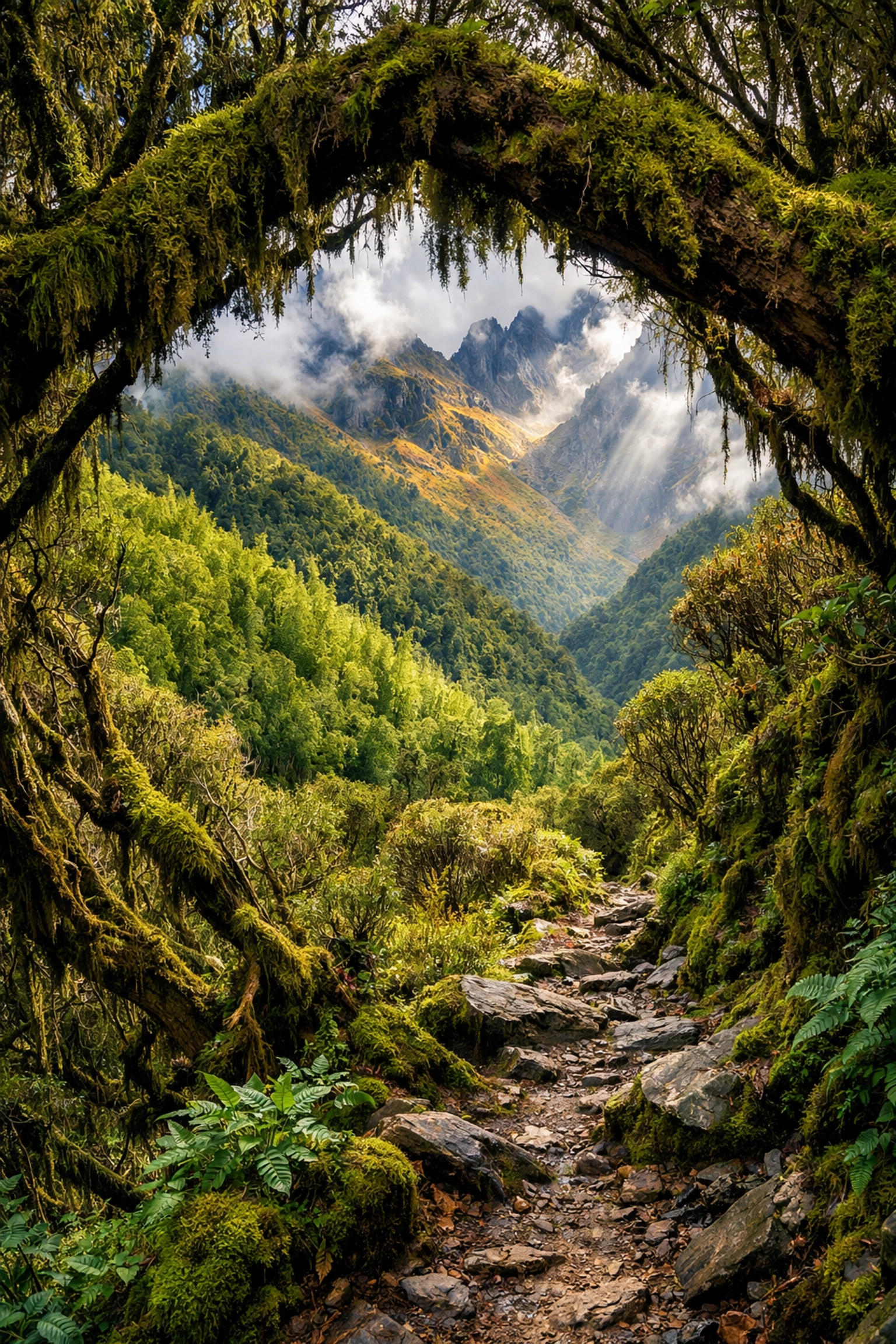
The bamboo forest zone (2,600-3,000 meters) feels distinctly different: sunlight filters through the tall bamboo in beautiful patterns, and the temperature drops noticeably. Then you emerge into the heather zone, where giant heathers form twisted, moss-covered forests that look like something from a Tolkien novel.
Above 3,000 meters, you enter the alpine zone where those famous giant lobelias and groundsels dominate. These plants have evolved extraordinary adaptations to survive the extreme temperature swings and UV radiation at high altitude. Photographing them never gets old.
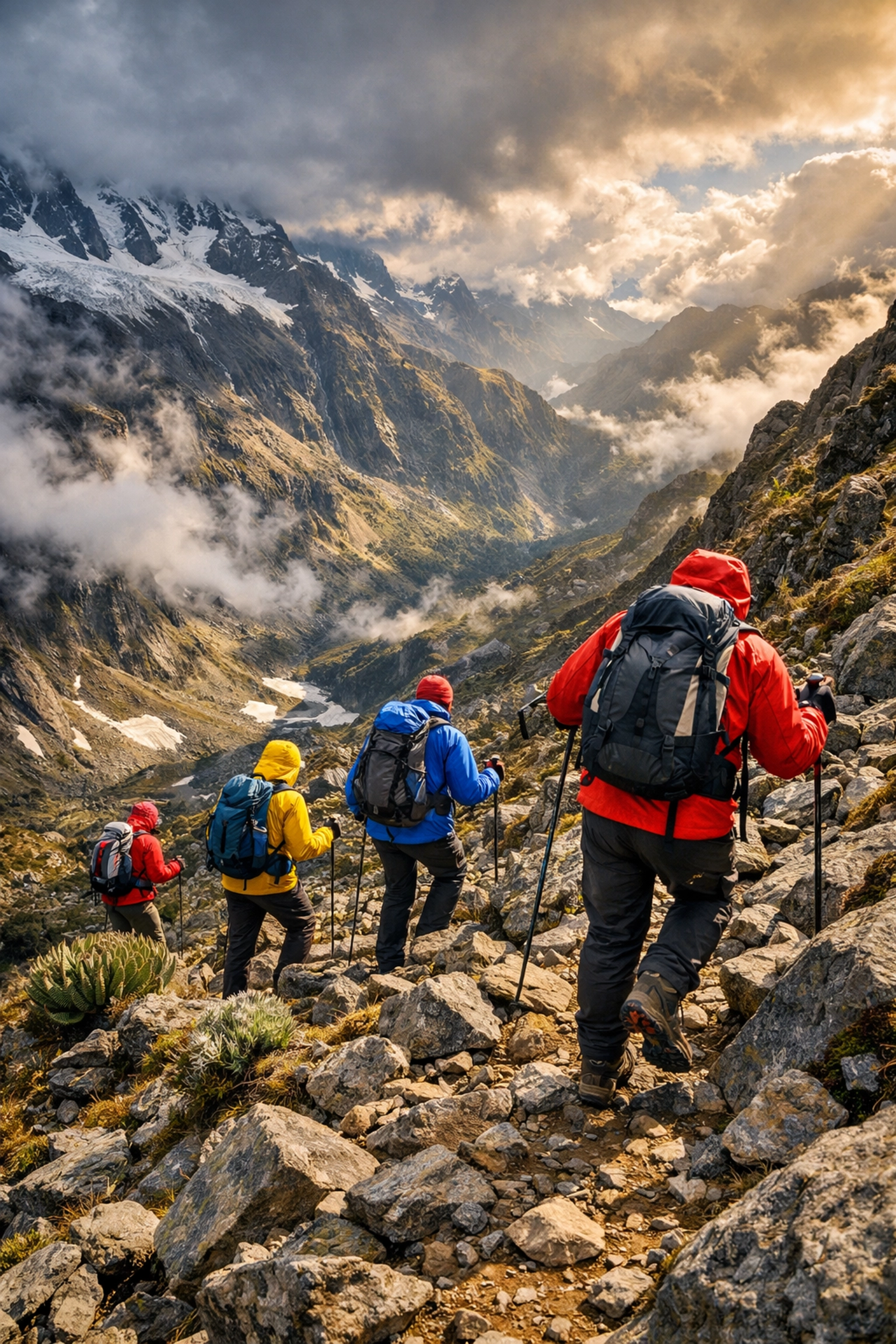
Finally, the high-altitude zone (above 4,500 meters) becomes lunar landscape: bare rock, glacial moraines, and ice. Standing here, looking across to the glacier-capped peaks with clouds swirling around you, the “Mountains of the Moon” nickname makes perfect sense.
Accommodations and Support on the Trail
Don’t picture luxury here, but don’t assume hardcore suffering either. Both the Central Circuit and Kilembe Trail feature timber huts with bunk beds, basic mattresses, and separate toilet facilities. You’ll sleep in a sleeping bag (bring your own or rent one), and porters will have your gear at each camp before you arrive. Solar lights provide evening illumination in some huts.
The Bukurungu Trail requires camping in tents, which your porters will set up for you. You’ll still have proper camping toilet facilities, but it’s a wilder, more exposed experience.
Your support team makes all the difference when trekking Rwenzori Mountains.
Expert guides navigate the complex trail system, monitor your health for altitude sickness symptoms, and share knowledge about the flora, fauna, and geology. Skilled porters carry the heavy equipment, set up camps, and prepare meals: their strength and cheerfulness at altitude are genuinely inspiring. Many trekkers form lasting connections with their porter team.
Meals are hearty and designed for the high caloric demands of mountain trekking. Expect substantial breakfasts, packed lunches, and warm dinners with soup, proteins, carbohydrates, and vegetables. The cooks manage to create surprisingly good meals in the most basic conditions.
When Should You Go?
The best time for trekking Rwenzori Mountains is during the two main dry seasons: June to August and December to February.
“Dry season” is relative here: the Rwenzoris are wet mountains, and you’ll likely encounter rain or mist regardless of when you go. But during these periods, rainfall is reduced, trails are less muddy, and you have better chances of clear views at higher elevations.
The shoulder months (March, May, September, and November) see fewer trekkers but more precipitation. If you’re comfortable with wetter conditions and want more solitude, these months can work. We generally recommend avoiding April and October, when rainfall is heaviest and trail conditions become genuinely challenging.
Temperature-wise, expect warm to hot conditions in the lower zones (bring sunscreen) and genuinely cold temperatures above 4,000 meters (plan for below freezing at night near the summit). Layering is essential: you’ll strip down layers during uphill sections and bundle up immediately when you stop.
Essential Tips for Your Rwenzori Trek
Acclimatize properly. This isn’t negotiable. The multi-day approach to altitude is built into the trek itineraries for a reason. Don’t try to rush it or push through altitude sickness symptoms. Descend if you experience severe headaches, nausea, or confusion: your guides will help you make this decision.
Stay hydrated. At altitude, your body needs significantly more water than usual. Bring water purification tablets or a filter bottle, and drink consistently throughout each day. Dehydration amplifies altitude sickness symptoms.
Invest in quality rain gear. Cheap ponchos won’t cut it in Rwenzori conditions. You need a proper waterproof jacket, rain pants, and pack covers. Everything will get wet eventually, so pack clothing in waterproof stuff sacks inside your duffel bag.
Bring proper boots. Ankle support matters on loose, rocky terrain. Waterproof hiking boots that are already broken in make the difference between enjoyment and misery. Gaiters help keep moisture and debris out of your boots.
Pack light but smart. Your porters carry the heavy duffel, but you’ll carry a daypack with water, snacks, rain gear, warm layers, and camera equipment. Keep this pack under 7-8 kilograms. Every kilogram feels heavier at altitude.
Follow your guide’s pace. “Pole pole” (slowly, slowly in Swahili) is the mountain mantra. Resist the urge to charge uphill. Slow, steady pacing with regular breaks is how you successfully acclimatize and conserve energy for the duration.
Making It Happen: Your Next Steps
Trekking Rwenzori Mountains requires permits, equipment, proper planning, and logistics coordination—so one of the first things you’ll want to confirm is current permit requirements and park guidance via the Uganda Wildlife Authority (UWA).
At Orugano Safaris, we handle these details while crafting an experience tailored to your fitness level, interests, and schedule. Our commitment to sustainable tourism means your trek supports local communities and conservation efforts in the Rwenzori Mountains National Park.
Whether you’re dreaming of standing on Margherita Peak or simply experiencing the unique ecosystems of the “Mountains of the Moon,” we provide the personalized travel advisory that transforms a challenging trek into an achievable adventure. Our experienced team knows these mountains intimately and understands exactly what it takes to have a successful, safe, and genuinely transformative Rwenzori experience.
Ready to start planning your trek? Visit Orugano Safaris to discuss your trekking Rwenzori Mountains adventure, or explore our full range of East Africa safari experiences. The “Mountains of the Moon” are calling: and they’re more accessible than you might think.