
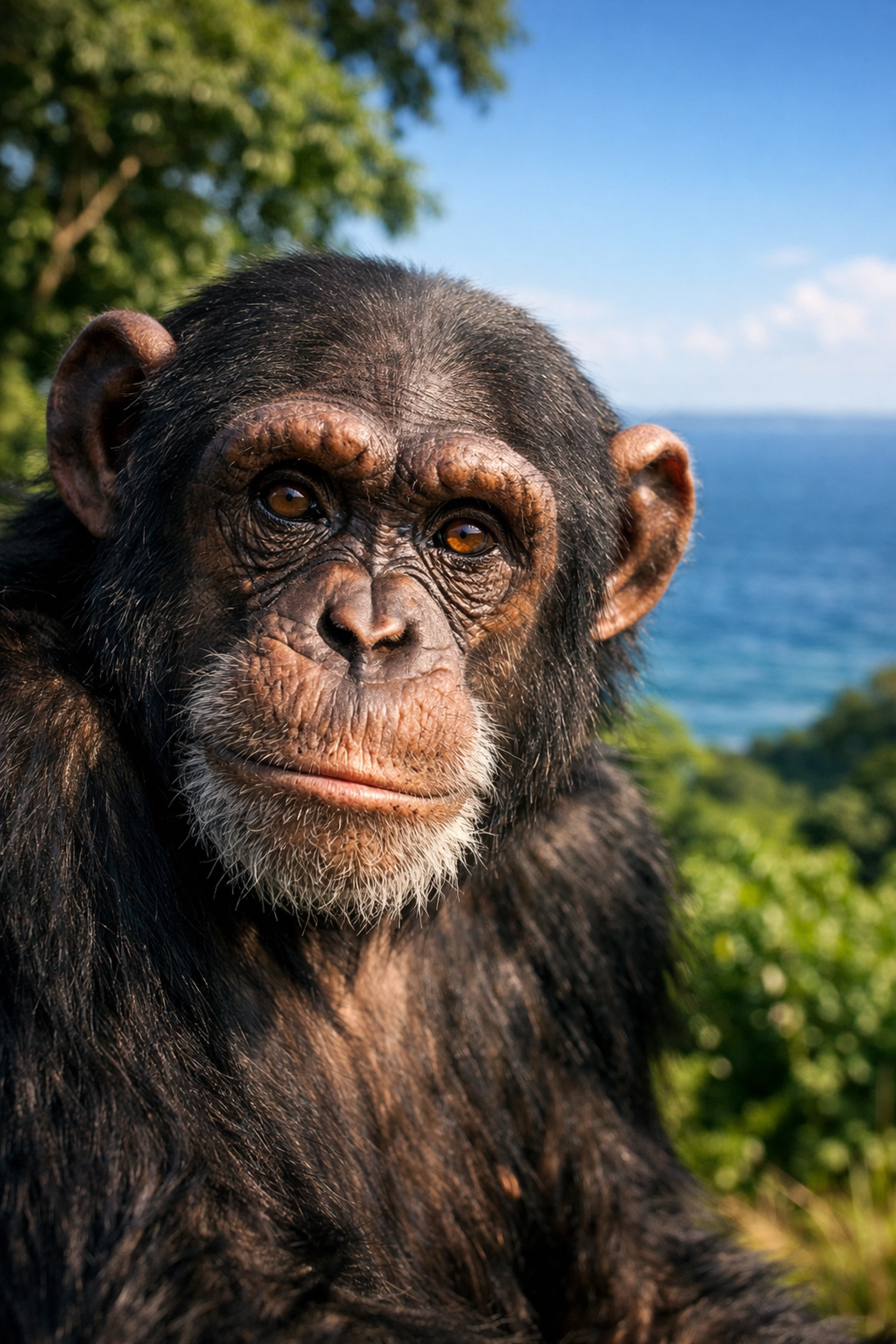
Ngamba Island Chimpanzee Sanctuary is usually the first name you hear when you ask, “Where can I see chimpanzees near Entebbe without a tough trek?” If you’re planning a trip to the "Pearl of Africa," and you’ve got one thing at the very top of your bucket list: seeing chimpanzees, we totally get it. There is something deeply moving about looking into the eyes of our closest living relatives. But then comes the big question that every traveler asks us here at Orugano Safaris: "Should I go to Ngamba Island or Kibale National Park?"
It’s a tough choice, isn’t it? On one hand, you want that raw, wild adventure, but on the other, you might be short on time or want a more guaranteed, up-close encounter. Don't worry: you aren't alone in this dilemma. Whether you are a solo backpacker, a family with young children, or a luxury traveler, there is a perfect primate experience waiting for you.
In this guide, we’re going to break down the differences between the Ngamba Island Chimpanzee Sanctuary and Kibale National Park so you can decide which one fits your dream safari. Along the way, you’ll see where Ngamba Island Chimpanzee Sanctuary shines (especially if you’re short on time) and where Kibale delivers that true wild-forest adrenaline.
Is Ngamba Island Chimpanzee Sanctuary Right for You?
If you find yourself in Entebbe with just a day or two to spare, the Ngamba Island Chimpanzee Sanctuary is your best friend. Located about 23 kilometers offshore in the middle of the massive Lake Victoria, this 100-acre island is a haven for orphaned and rescued chimpanzees—and it’s one of the easiest ways to add Ngamba Island Chimpanzee Sanctuary to your Uganda itinerary without long road transfers.
What makes Ngamba special is its heart. These aren't just any chimps; they are individuals that have been rescued from poachers or the illegal pet trade. Because they cannot be released back into the wild for safety reasons, the sanctuary provides them with a lush, forested home and a community of their own.
What should you expect on the island?
Your journey starts with a boat ride: either a motorized canoe or a faster speedboat: across the equator. Once you arrive at the Ngamba Island Chimpanzee Sanctuary, you aren't just a spectator; you become part of the conservation story. You’ll stand on a raised platform to watch the chimps during their feeding sessions. It is a fantastic way to see the social hierarchy and personalities of the animals of Uganda up close.
For official updates, conservation info, and programs like “Caregiver for a Day,” check the sanctuary’s website: https://ngambaisland.org/.
We often recommend this for:
- Families with children: Unlike wild trekking, there are no age limits for the viewing platform.
- Short-stay travelers: You can do a half-day trip and be back in Entebbe for dinner. Check out our short safaris for more ideas.
- Photography enthusiasts: Because the chimps come to the feeding area, you are almost guaranteed incredible shots without having to hike through thick brush.
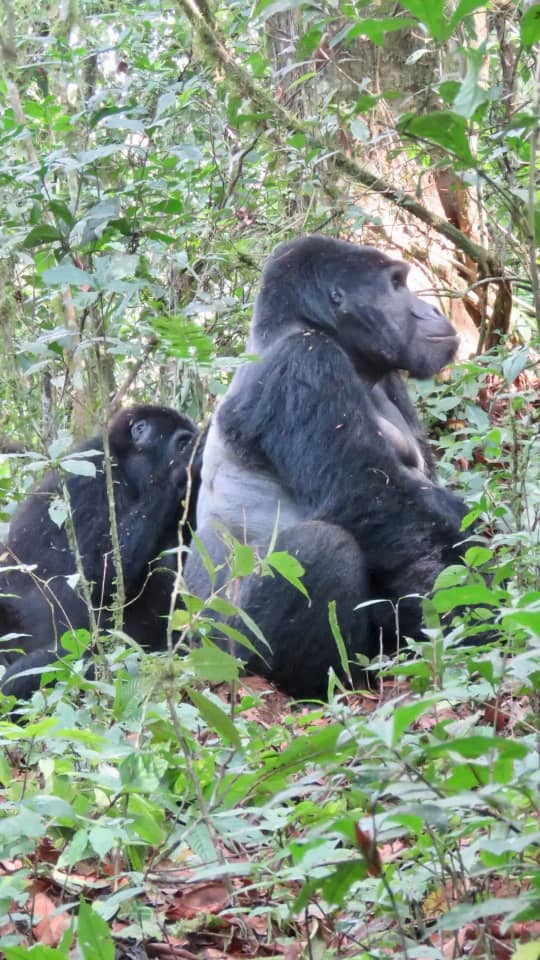
Why is Kibale Called the "Primate Capital of the World"?
Now, if you are looking for the quintessential "Indiana Jones" feeling, Kibale National Park is where you want to be. If Ngamba Island Chimpanzee Sanctuary is the easy-access, conservation-centered option, Kibale is the wild counterpart. This is a natural habitat for chimpanzee populations: over 1,500 of them call this tropical rainforest home.
For park information, conservation guidance, and official tourism updates, you can also reference the Uganda Wildlife Authority: https://www.ugandawildlife.org/.
Kibale isn't just about chimps, though. It’s a biodiversity hotspot. While walking through the forest, you might spot red-tailed monkeys, L’Hoest’s monkeys, or the rare red colobus. It is wild, untamed, and breathtakingly beautiful.
What is the trekking experience like?
In Kibale, you aren't watching from a platform. You are on the ground, walking through the same foliage as the primates. When your guide finally signals to stop and you hear that first "pant-hoot" echoing through the canopy, the hair on your arms will stand up. You get one hour to observe them as they groom, play, and swing through the trees.
Here is what to consider for Kibale:
- Fitness levels: You’ll be hiking for 2 to 5 hours. It’s not incredibly strenuous, but you should be comfortable walking on uneven terrain.
- The "Circuit" Factor: Kibale is perfectly positioned for a classic Uganda tour. You can easily combine it with Queen Elizabeth National Park or Bwindi.
- Minimum Age: Travelers must be at least 12 years old to trek in the wild.
How Do They Compare Side-by-Side?
To help you visualize the difference, let’s look at the logistics. We know that travel planning can feel overwhelming, so here is the "cheat sheet" we give our guests.
| Feature | Ngamba Island | Kibale National Park |
|---|---|---|
| Experience Type | Sanctuary / Interactive Viewing | Wild Trekking / Adventure |
| Location | Lake Victoria (near Entebbe) | Western Uganda (near Fort Portal) |
| Travel Time | 45-90 mins by boat | 5-6 hours by road from Kampala |
| Guaranteed Sighting? | 100% | ~95% (very high, but wild) |
| Vibe | Educational and Heartwarming | Thrilling and Immersive |
| Conservation Focus | Rehabilitation of orphans | Habitat protection and research |
Can You Do Both? (Spoiler: We Highly Recommend It!)
If you have the time, visiting both the Ngamba Island Chimpanzee Sanctuary and Kibale National Park offers the most complete picture of primate conservation in East Africa—and it’s honestly the best way to understand how Ngamba Island Chimpanzee Sanctuary connects to protecting chimps in the wild.
At Ngamba, you learn the tragic and triumphant stories of individual chimps. You understand the threats of poaching and the illegal pet trade. Then, when you travel to Kibale, you see exactly what the sanctuary is trying to protect: the freedom of these magnificent creatures in a natural habitat for chimpanzee communities.
Seeing a chimp in a sanctuary makes you appreciate their resilience; seeing them in the wild makes you appreciate their power. It’s a powerful emotional arc for any wildlife lover.
Practical Advice: What Should You Pack?
Whether you’re heading to an island or a deep forest, being prepared will make your trip much more enjoyable. Here’s what we suggest:
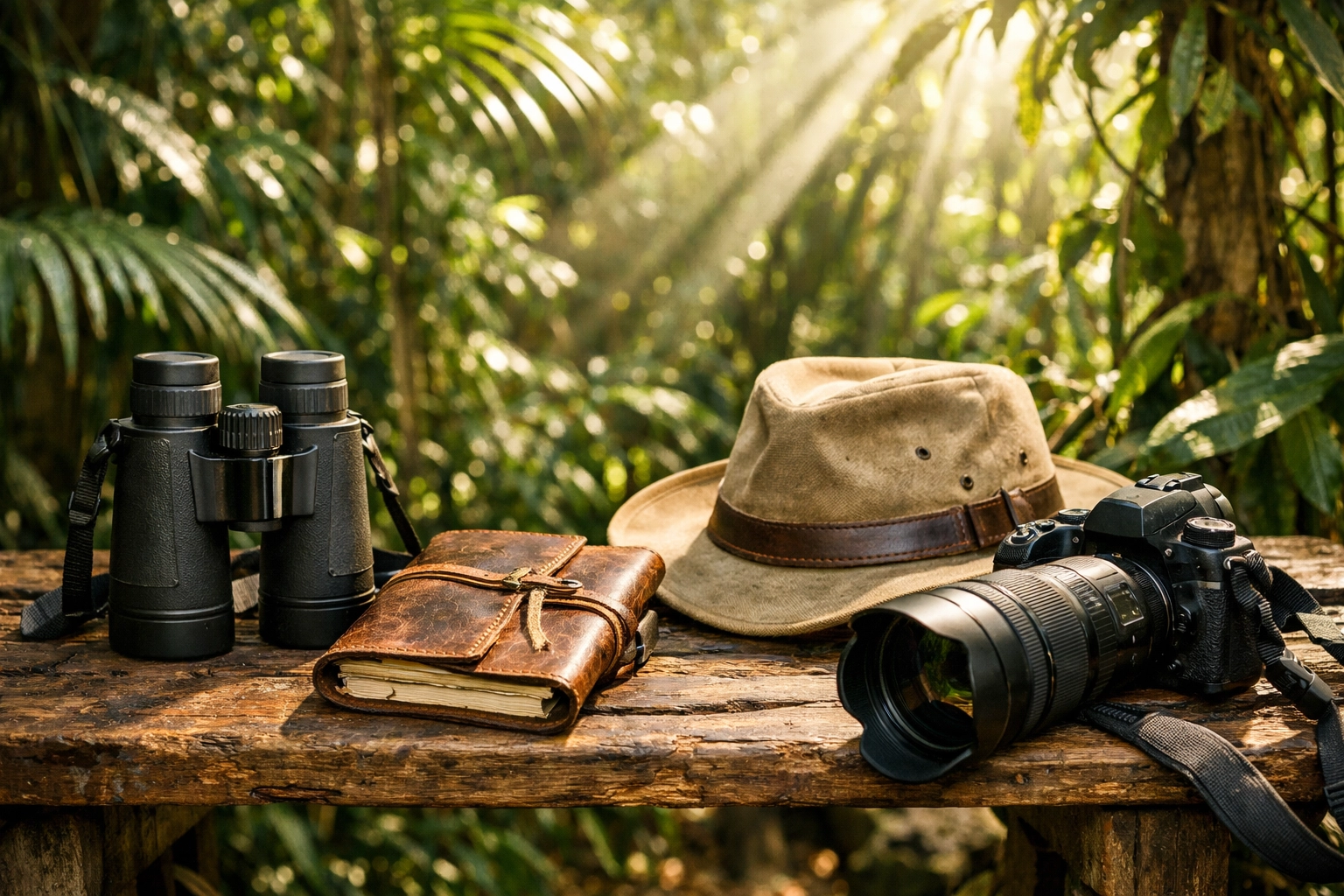
- For Ngamba: Bring a hat and plenty of sunscreen! The reflection of the sun off Lake Victoria can be quite strong. A pair of binoculars is also a great idea for spotting birds around the island.
- For Kibale: Wear long trousers and tuck them into your socks (it looks funny, but it keeps the ants out!). A lightweight rain jacket is a must, as it can pour at any moment in the rainforest.
- For Both: Bring a spirit of curiosity. Our local guides love questions! Ask about the chimps' names at Ngamba or the medicinal plants in Kibale.
Making Your Decision: Which One Wins?
Still stuck? Let’s look at your travel style.
- "I want to help!" If your main goal is supporting the direct care of rescued animals, Ngamba’s "Caregiver for a Day" program is an unforgettable experience. You get to help prepare food and participate in the daily routine of the sanctuary.
- "I want the 'Big Five' experience!" If you are already planning a longer East Africa safari, Kibale fits naturally into a route that includes lions, elephants, and perhaps even gorilla trekking in Bwindi.
At Orugano Safaris, we believe there is no "wrong" choice. Both locations contribute immensely to the survival of the animals of Uganda. Every permit purchased and every boat trip booked goes directly back into protecting these species for future generations.
Ready to Meet the Chimps?
Choosing between a sanctuary and the wild doesn't have to be stressful. Whether you want the easy accessibility of the Ngamba Island Chimpanzee Sanctuary or the deep-forest magic of Kibale, we are here to handle all the logistics for you. From arranging your Ngamba Island Chimpanzee Sanctuary boat transfer and timing feeding sessions to securing those hard-to-get trekking permits and comfortable transport, we make sure your only job is to enjoy the moment.
If you’re feeling inspired to see these incredible primates for yourself, why not let us help you design the perfect itinerary? Whether it’s a quick weekend getaway or a multi-country adventure, we’ll make sure it’s a trip you’ll talk about for the rest of your life.
Contact Orugano Safaris today to book your tailor-made primate safari!