
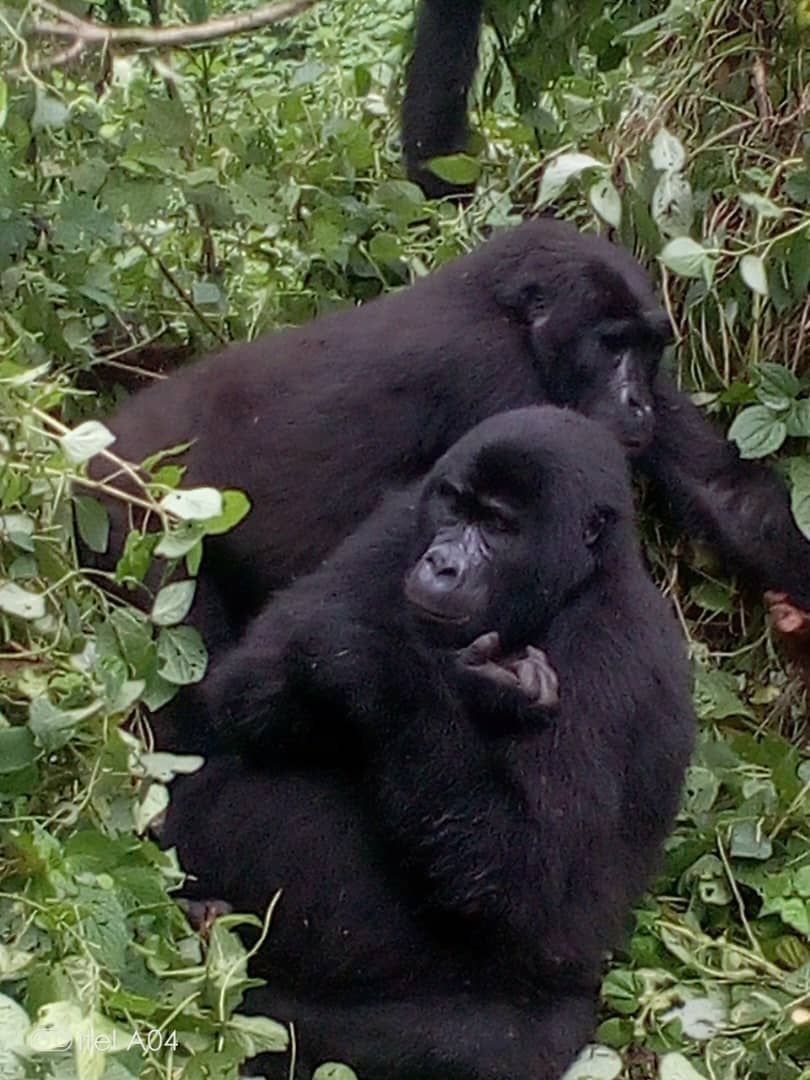
One of the most common questions we get from travelers is: Is gorilla trekking hard? The short answer is no, most people can complete gorilla trekking successfully. However, the better question is not whether gorilla trekking is hard, but which type of trekking experience is right for your fitness level.
If you are reading this, you are likely worried about more than just your cardio. You are probably asking: Am I too old? Will I be the one person who has to turn back? Will I ruin the experience for my spouse? Is it worth spending $800 on a permit if I can’t reach the gorillas? If you are asking yourself is gorilla trekking hard, you are asking the right question.
This isn’t an AI-polished travel brochure. This is a practical field guide based on what we see every day at the Orugano Bwindi Lodge and on the trails of East Africa.
1. Why Gorilla Trekking Has a Reputation for Being Difficult
Bwindi “Impenetrable” Forest did not get its name by being a flat, manicured park. It is a tangle of ancient ferns, thick vines, and steep ridges. In Rwanda’s Volcanoes National Park, you are dealing with volcanic slopes and higher altitudes.
The “difficulty” comes from the fact that you aren’t walking on a paved trail. You are climbing over roots that act like natural, slippery stairs. You are bushwhacking through undergrowth where the rangers often have to cut a path with machetes.
But here is the reality: not all treks are created equal. A “hard” trek for one person is a “long walk” for another. The key is matching the sector and the gorilla family to your specific physical capabilities.
2. Is Gorilla Trekking Hard? Breaking Down the Physical Factors
If you are still wondering is gorilla trekking hard, this is where the answer becomes practical. The challenge is rarely the gorillas themselves; it is reaching them through steep and often unpredictable terrain. Here are the five operational realities you need to prepare for:
- Distance: A gorilla family might be 45 minutes from the briefing point, or they might be 6 hours deep into the forest. They move. If they decide to climb a ridge for better bamboo, you have to follow them.
- Elevation: You will be hiking at altitudes between 1,160m and 2,607m. In sectors like Nkuringo, the morning mist is cold enough to need a fleece, but the steep climb out of the valley will have you sweating through your shirt in twenty minutes.
- Mud: Especially in April, May, and November, the forest floor is like soap. You will slip. You might end up with mud in your boots or on your trousers. This is why we insist on gaiters and proper ankle-support boots.
- Altitude: If you are coming from sea level, the thin air in Rwanda or the high ridges of Mgahinga will make your lungs burn. You’ll need to pace yourself.
- Weather: It is a rainforest. It will probably rain. Trekking in the rain means heavier boots and limited visibility, which adds a layer of mental fatigue.
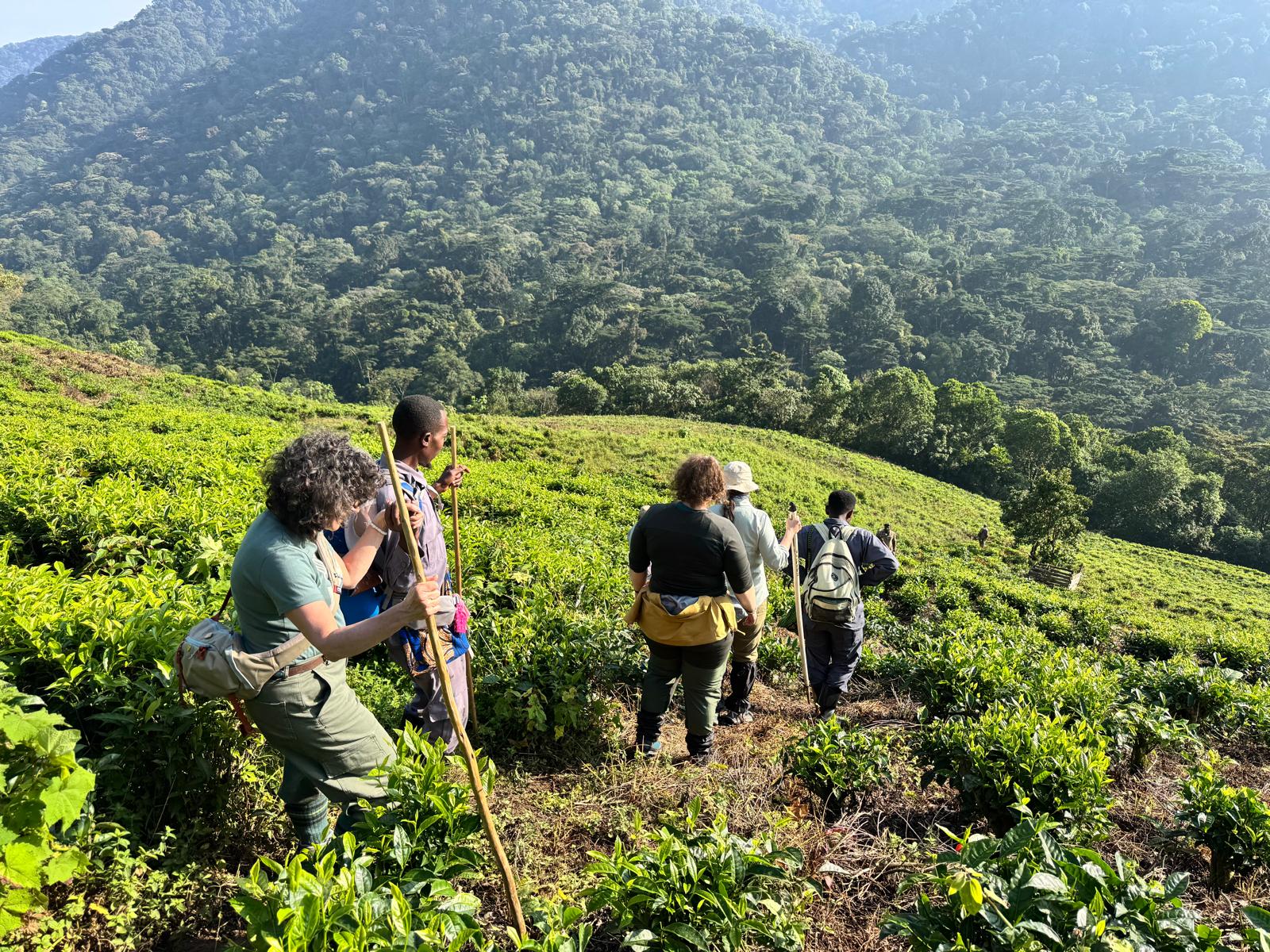
3. Fitness Levels Explained: Where Do You Fit?
We categorize our guests into three main groups to help determine the best trekking sector.
Excellent Fitness (The “Hiker”)
You hike on weekends, can comfortably walk 10km+, and don’t mind a steep incline.
- Recommendation: You can handle any sector, including the demanding ridges of Nkuringo or the long treks in Rushaga. You are a prime candidate for the 4-hour Gorilla Habituation Experience.
Moderate Fitness (The “Active Traveler”)
You stay active, perhaps walk the dog daily, and can manage a few flights of stairs without needing a 5-minute break. Most of our guests fall here.
- Recommendation: Suitable for most treks. We suggest hiring one porter to assist with your daypack and provide a steady hand on the slopes.
Limited Mobility (The “Determined Explorer”)
If you have knee issues, use a cane, or simply haven’t done a “hike” in twenty years, do not panic. You can still see the gorillas.
- Recommendation: In situations where additional assistance is required, ranger teams can arrange porter-supported evacuation services or sedan chair assistance where available.
4. Can Seniors Do Gorilla Trekking?
Absolutely. In fact, about 60% of our guests are aged between 55 and 75. We have hosted guests in their 70s and 80s who successfully completed gorilla treks. The rangers are experienced and take visitors at their own pace. In addition, before the trekking begins, the nearest groups are allocated to those deemed to be less physically fit. That is one of the main reasons the answer to is gorilla trekking hard depends so much on planning, pace, and sector choice.
The secret isn’t gym time; it’s patience. The rangers move at the pace of the slowest person in the group. If you need to stop every ten minutes to catch your breath, you stop. Nobody is going to leave you in the forest. Hiring a porter, or two, is the best investment a senior traveler can make.
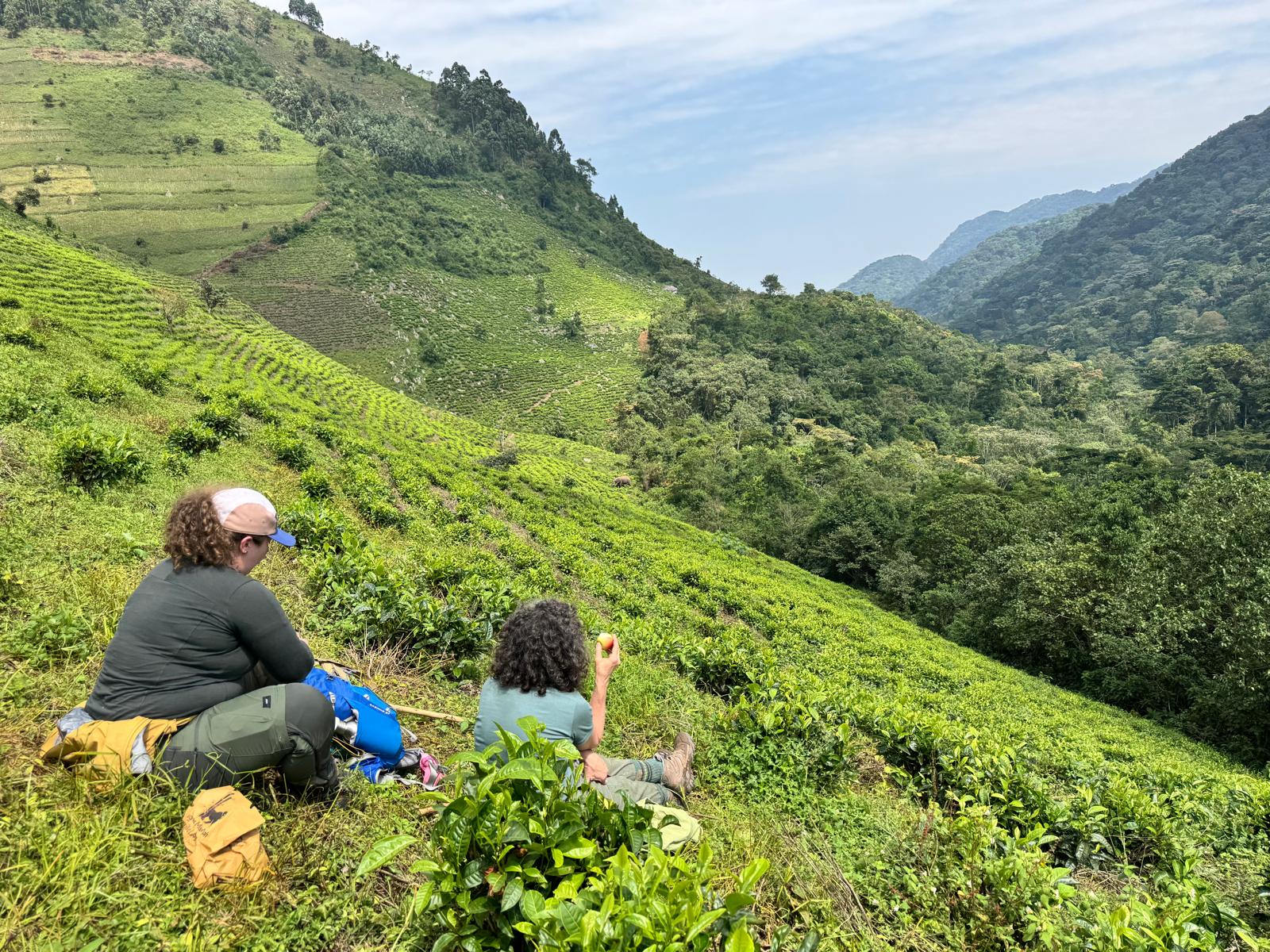
5. Which Bwindi Sector is Easiest?
Bwindi is divided into four sectors, and the terrain varies significantly between them. The important thing to know is that all sectors can have closer gorilla groups on a given day. There is no sector where every trek is easy, and no sector where every trek is brutally hard.
- Buhoma: This is generally considered the best choice for first-time trekkers and many senior travelers. The trails are more established, and the slopes are less aggressive. If you are nervous about your knees, this is usually where you start.
- Rushaga: This sector has the most gorilla families, meaning more permit availability. The terrain is mixed, some families stay low, others require a serious climb. It is also the base for the Gorilla Habituation Experience, so if you want the 4-hour experience with a semi-habituated group, this is the sector you need.
- Ruhija: Moderate difficulty. It involves a lot of downhill walking to find the gorillas, which means a lot of uphill walking to get back to the vehicle.
- Nkuringo: Usually the most demanding overall. You start at the top of a ridge and often hike down into the valley. The walk back up at the end of the day is the real test of your legs. That said, the Nkuringo family is on relatively flat land when it stays nearby, though it moves frequently. Staying at Orugano Bwindi Lodge puts you minutes from this briefing point, saving you from a bumpy 2-hour pre-trek drive.
6. How Should You Choose a Sector?
Sector choice should match your route, your goals, and your tolerance for steep terrain.
- If you are traveling from Kigali: Choose Nkuringo or Rushaga. The southern sectors make the overland transfer shorter and more practical than driving around to Buhoma.
- If you want to connect gorillas with chimpanzees or Queen Elizabeth National Park: Take the Nkuringo-to-Buhoma walk. It is one of the most practical and rewarding ways to link the south and north of Bwindi before continuing your safari.
- If you are a first-time gorilla trekker: Choose Buhoma.
- If you are a photographer: Choose Nkuringo for the dramatic ridge scenery and forest depth, while accepting the terrain is tougher.
- If you want habituation: Choose Rushaga.
- If you are a senior traveler: Choose Buhoma or selected Rushaga families.
- If you want the most physically demanding option: Choose Nkuringo.
7. When Is Gorilla Trekking Physically Easier?
The season changes the difficulty more than many people expect.
- June to August and December to February: These are generally the best months for easier walking and firmer ground.
- March to May and October to November: Expect more mud, steeper footing, and a greater physical challenge.
If your main concern is trail condition rather than just wildlife timing, read our guide on the Best Time to Visit Bwindi.
8. Making the Trek Easier: Tips if you find Gorilla Trekking Hard
- Hire a Porter: This is the single most important piece of advice. For $20 (plus a tip), a porter will carry your bag and, more importantly, pull or push you up the difficult sections. It also provides vital income to the local community.
- Use Trekking Poles: Even if you feel “young,” take the walking stick offered at the briefing. It provides a third point of contact on slippery roots. During ranger briefings, the team also explains pacing, group allocation, and safety procedures under the wider permit and conservation framework managed by the Uganda Wildlife Authority.
- Waterproof Boots: Don’t arrive in sneakers. You need ankle support and grip. New boots? Break them in at home first, or you’ll be trekking with blisters.
- Stay Hydrated: The humidity will drain you faster than the incline. Drink more water than you think you need before you start.
- Pack Light: Only carry what you need (water, lunch, camera, rain jacket). Your porter will carry the rest.
If you think is gorilla trekking hard for someone with average fitness, these five steps usually make the biggest difference on the ground.

9. The Biggest Myth About Gorilla Trekking
The biggest myth is that you need to be an athlete to enjoy this. In reality, the people who struggle most are not the oldest travelers, but those who arrive unprepared. That is why the better version of the question is not simply is gorilla trekking hard, but what makes it easier or harder for your specific situation.
We see “fit” travelers struggle because they wore the wrong shoes or didn’t listen to the rangers about pace. We see “unfit” travelers breeze through because they hired two porters and took a slow, steady approach. Success in the forest is about preparation and mindset, not your 5km run time.
10. From Our Experience in Bwindi
At Orugano Bwindi Lodge, we host guests from all over the world with varying physical abilities. We’ve seen the “fear” in their eyes during the 7:30 AM briefing and the pure adrenaline in those same eyes when they return at 2:00 PM.
After the trek, the practical things matter too: a warm shower, cold drinks, and time to sit on the balcony at Orugano Bwindi Lodge while your legs recover. Many guests arrive at Orugano Bwindi Lodge worried about the hike. By evening, the conversation is rarely about the difficulty—it’s about the silverback and the magic of the forest.
The “difficulty” of the trek is often forgotten the moment you see a 400lb Silverback look you in the eye. Our job is to make sure the logistics, the Gorilla Permit Guide, the transport, and the sector selection don’t get in the way of that moment. If you came here asking is gorilla trekking hard, the honest answer is yes for some people and no for others, but good preparation changes the experience completely.
FAQ: Your Quick Difficulty Questions
Is it harder than regular hiking?
Yes. There are no paved paths, and the ground is uneven and often slippery. It’s “technical” walking rather than just distance walking.
Can overweight people do gorilla trekking?
Yes. We regularly arrange for porters and sedan chairs for guests of all sizes. The forest is for everyone.
Is Rwanda easier than Uganda?
Generally, the paths in Rwanda’s Volcanoes National Park are clearer because the vegetation is more bamboo-based. However, the altitude is higher, which can make it harder to breathe. Uganda is steeper and “thicker.” If you are still comparing routes, read our breakdown of Uganda vs Rwanda Gorilla Trekking.
What happens if I cannot continue?
If you are physically unable to continue, the rangers will arrange porter-supported evacuation services or sedan chair assistance where available. You are never left alone.
Are porters worth hiring?
100% yes. Even if you are fit, they help navigate the slippery parts and their assistance makes the day much more relaxed.
How many hours do most gorilla treks take?
Most treks last between 2 and 6 hours including the time spent locating the gorillas, though some encounters happen much sooner.
Not Sure Which Trek Is Right For You?
The road from Entebbe is a 9-hour bumpy ride, so you want to make sure you’ve picked the right sector before you arrive. If you are still deciding between arrival routes, compare Kigali vs Entebbe before you lock your flights. You should also review what to bring in our What to Pack for Gorilla Trekking guide.
Send us your dates and fitness level, and we’ll check permit availability in real-time and recommend the best sector for your needs.
One comment
[…] wondering about fitness, trail conditions, and how tough the day really feels on the ground, read Is Gorilla Trekking Hard? as […]