Planning your luxury Uganda safari comes down to one crucial decision: should you book an eco-lodge or a traditional safari camp? Both offer incredible wildlife experiences, but they cater to different travel philosophies and comfort expectations. Let’s dive deep into what sets them apart and help you make the perfect choice for your African adventure.
The difference isn’t just about where you sleep: it’s about how you want to experience Uganda’s breathtaking wilderness. Whether you’re drawn to the sustainable practices of an eco-lodge or the refined luxury of a traditional camp, understanding these accommodation styles will transform your safari from good to unforgettable. At Orugano Bwindi Lodge and with our dedicated travel arm, Orugano Safaris, we help you pair the right lodge style with a seamless, tailor-made itinerary across Uganda and East Africa.
Understanding Your Options: Eco-Lodges vs Traditional Camps
Traditional luxury camps represent the classic safari experience. Think spacious suites with king-sized beds, en-suite bathrooms with soaking tubs, fine dining restaurants, swimming pools, and evening spa treatments. These establishments prioritize comfort above all else, offering amenities that rival five-star hotels in major cities.
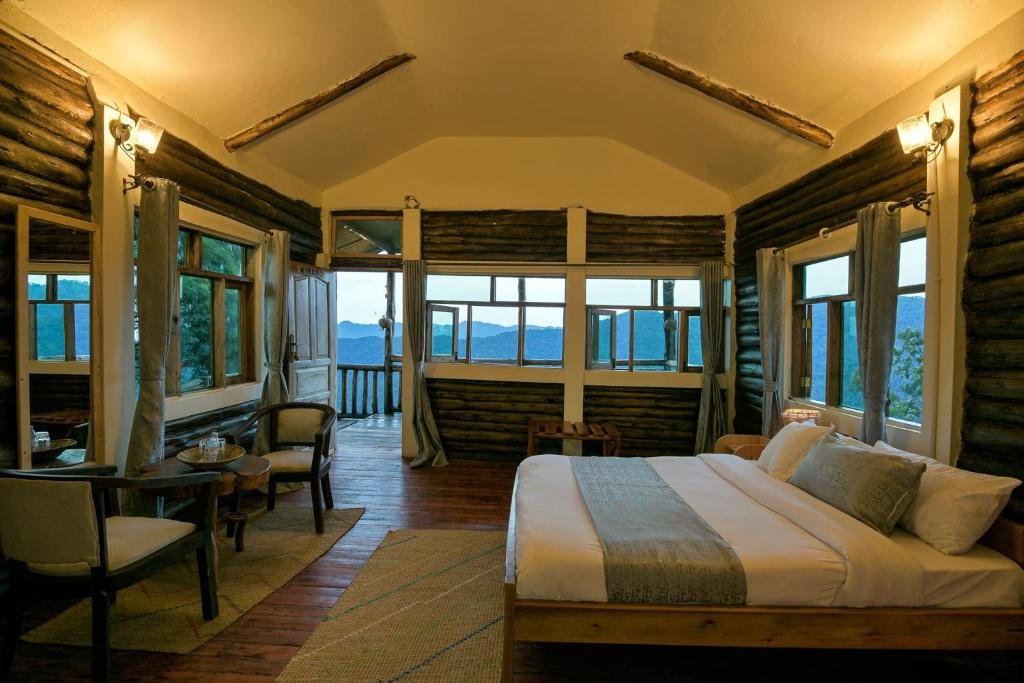
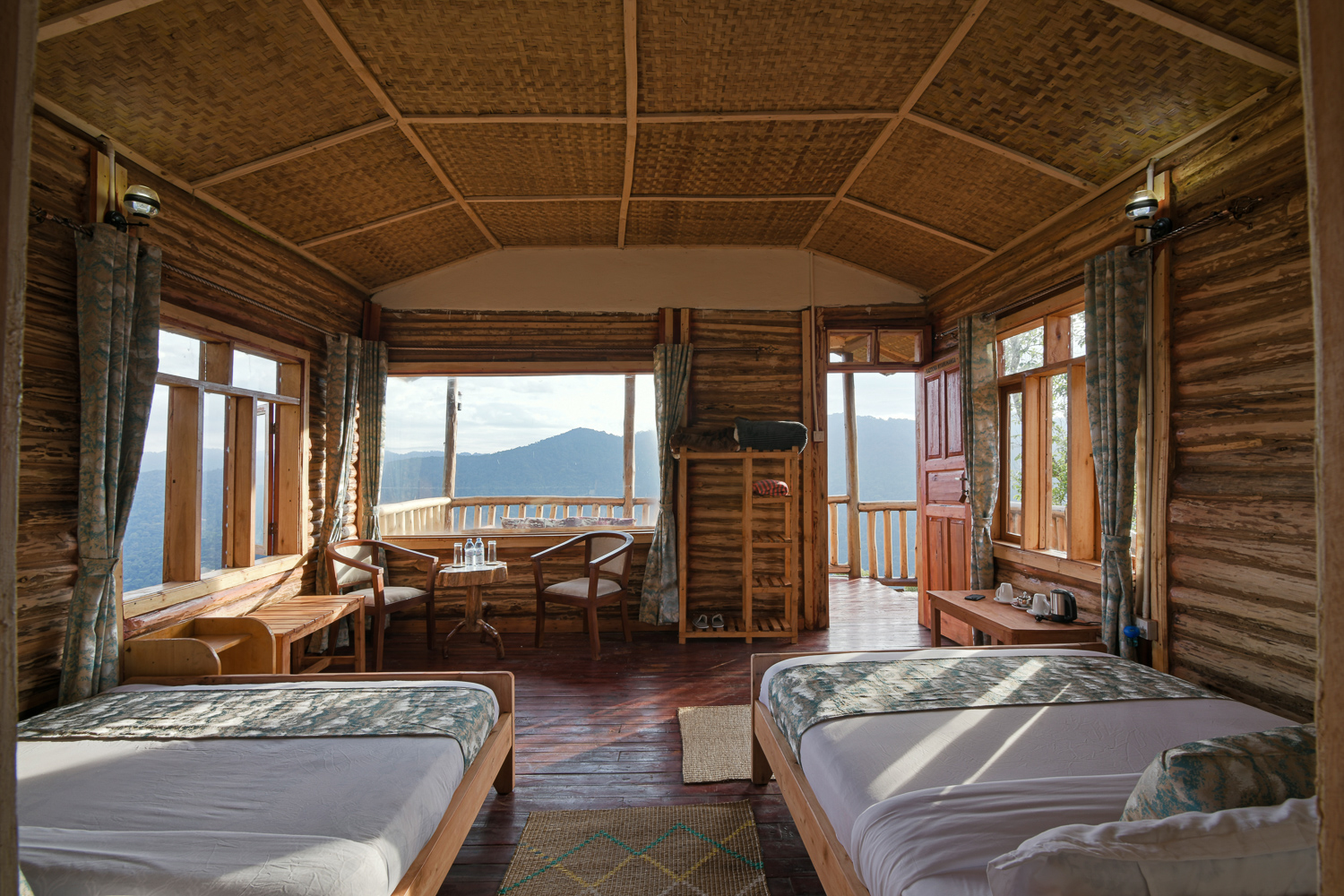
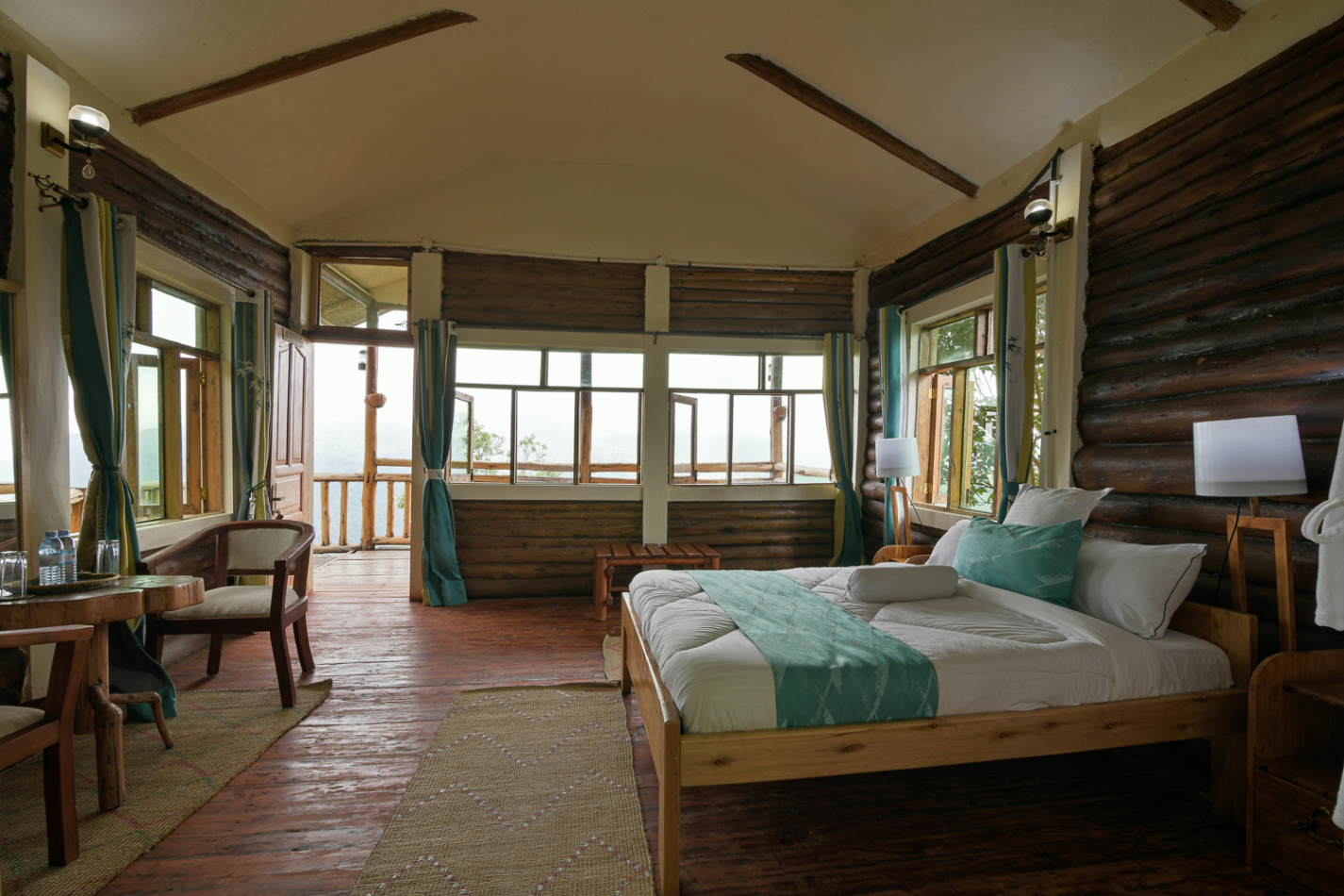
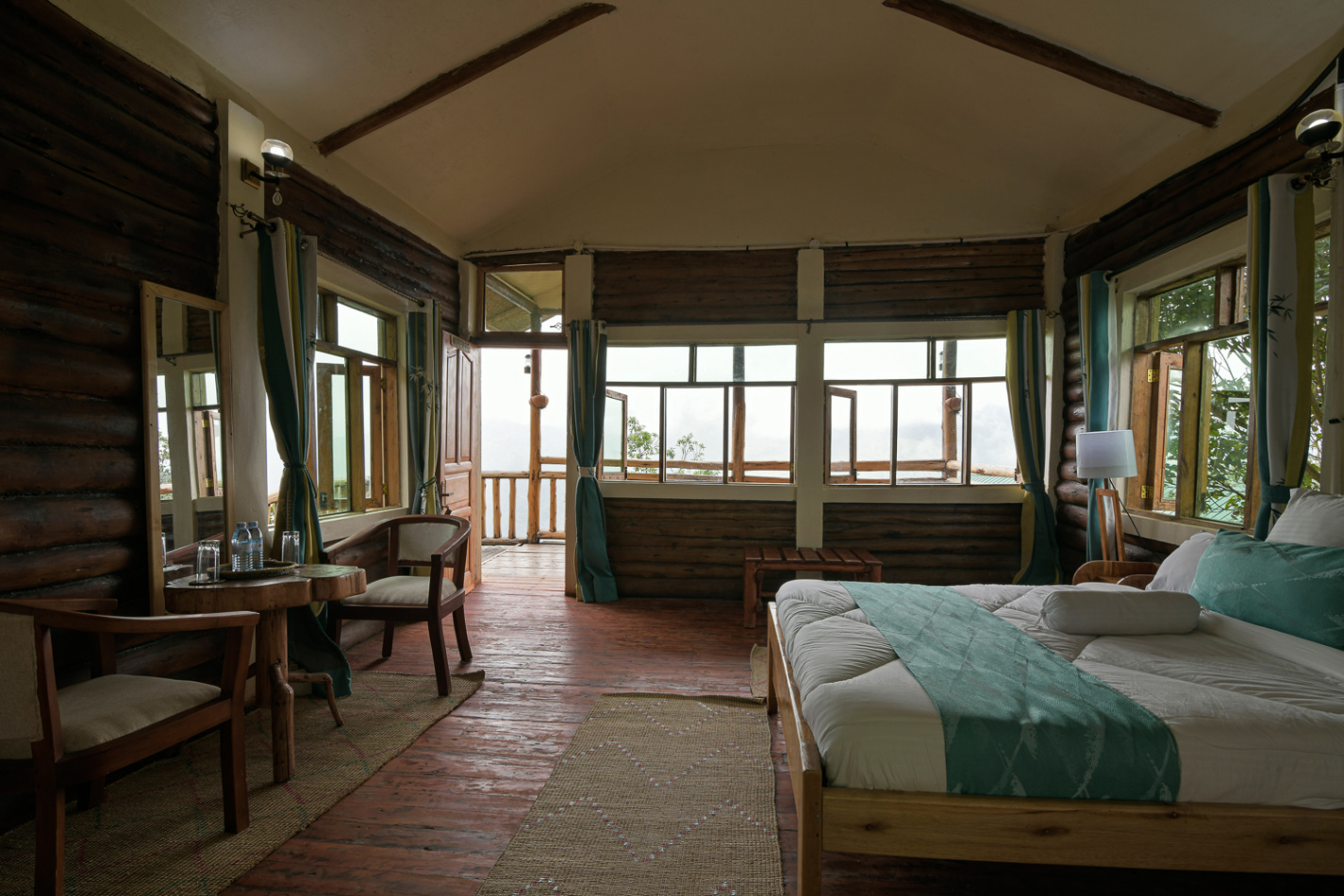
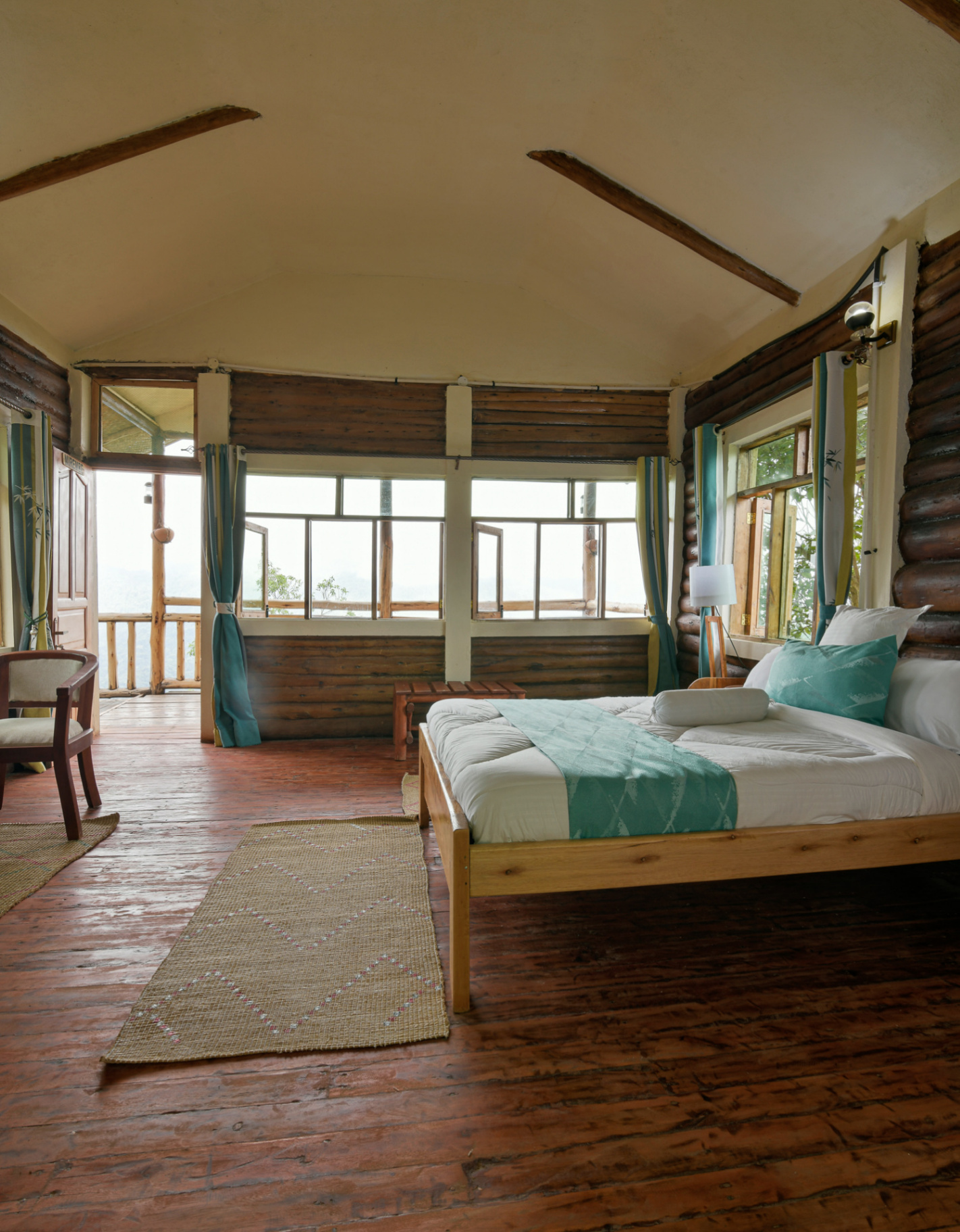
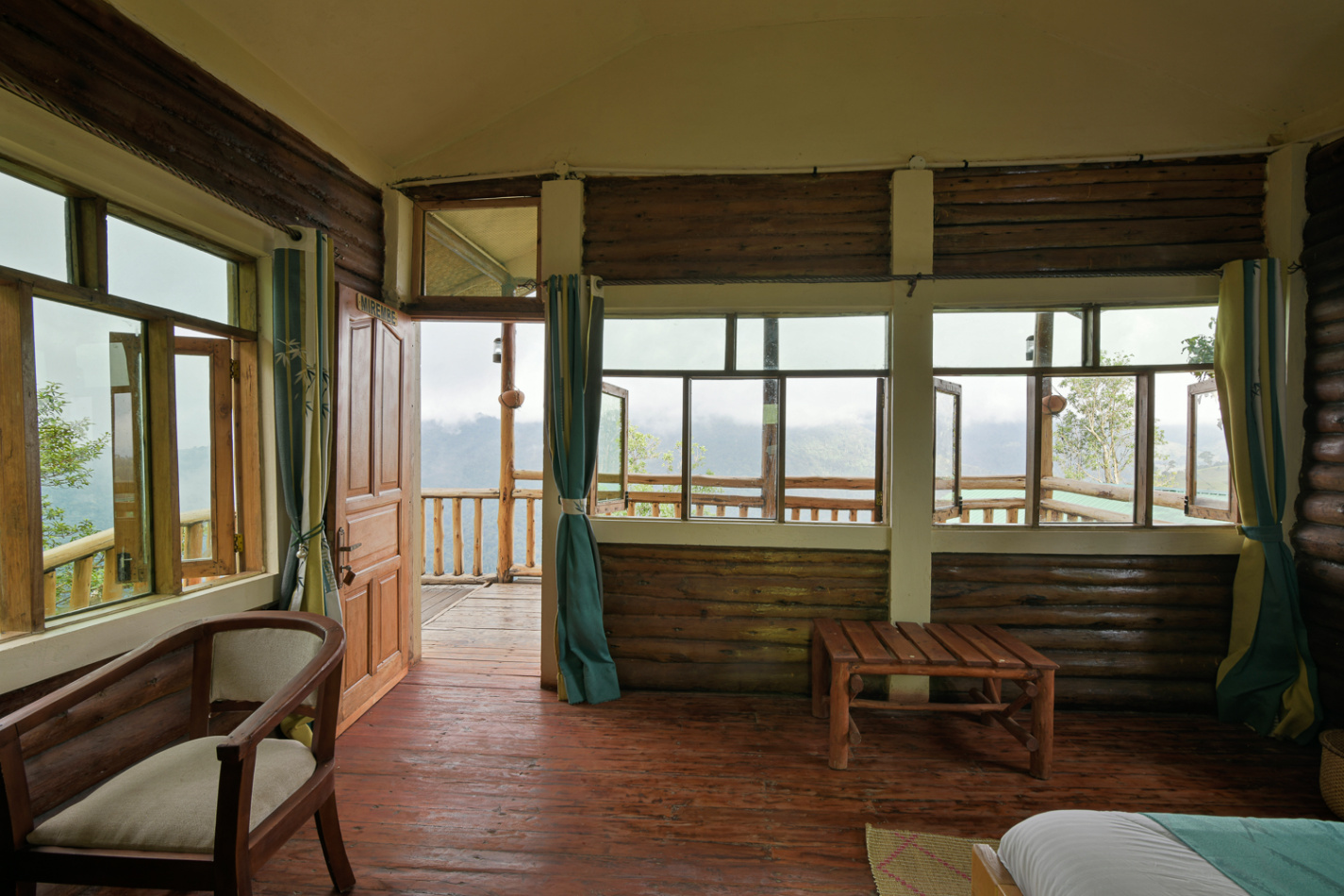
Eco-lodges take a different approach entirely. While maintaining high comfort standards, they weave sustainability into every aspect of your stay. Solar panels power your room, rainwater collection systems supply your shower, and local materials create stunning architectural designs that blend seamlessly with the landscape.
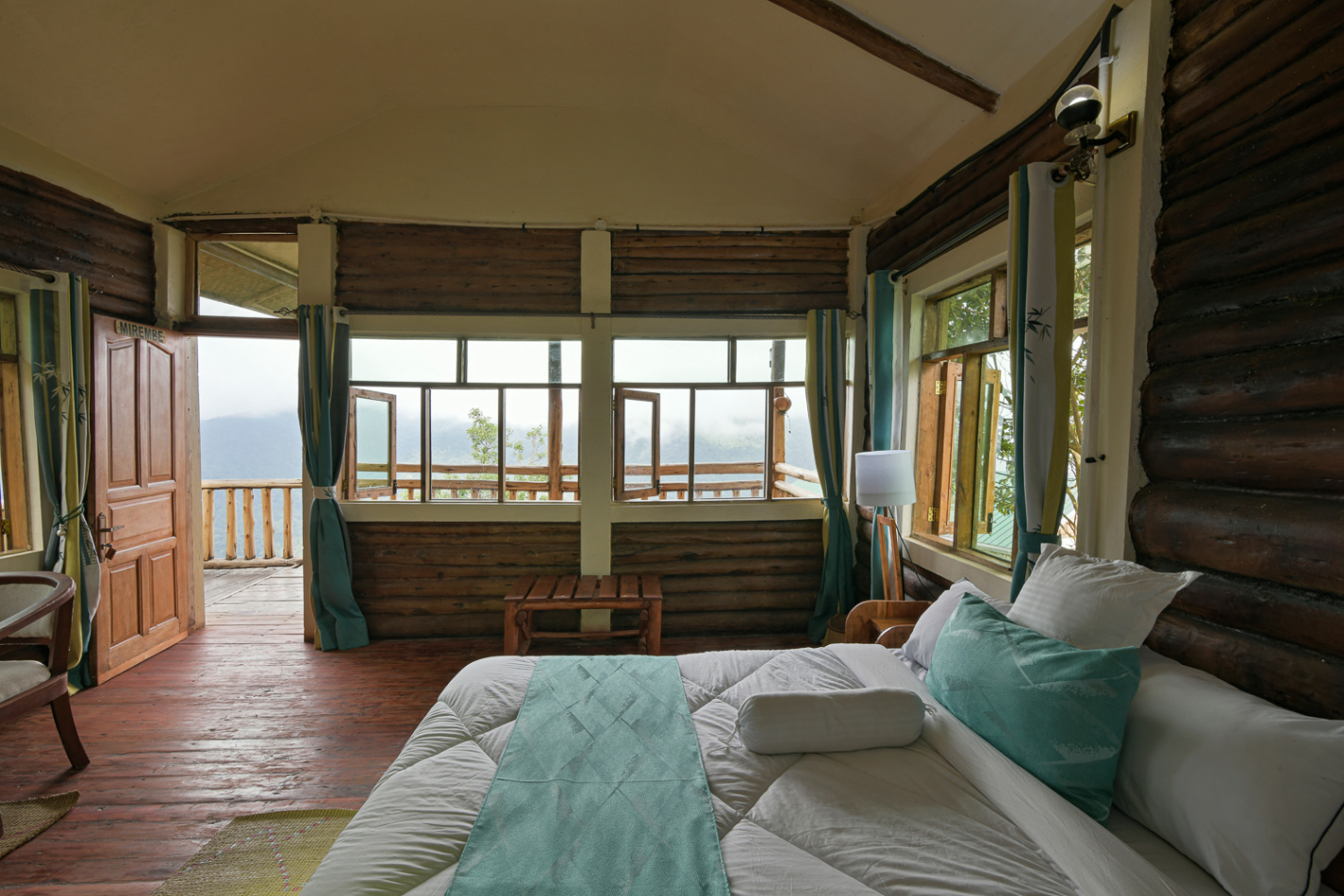
The beauty of modern eco-lodges is that “sustainable” doesn’t mean “sacrificing comfort.” Many of Uganda’s top eco-lodges offer the same luxury amenities as traditional camps, just with a lighter environmental footprint and deeper community connections.
Key Factors That Should Guide Your Choice
Location and Wildlife Access
Both accommodation types can offer prime wildlife viewing positions, but their approach to conservation may affect your experience differently. Traditional camps often focus on convenient access to multiple game viewing areas, while eco-lodges might be positioned in more remote locations that support specific conservation initiatives.
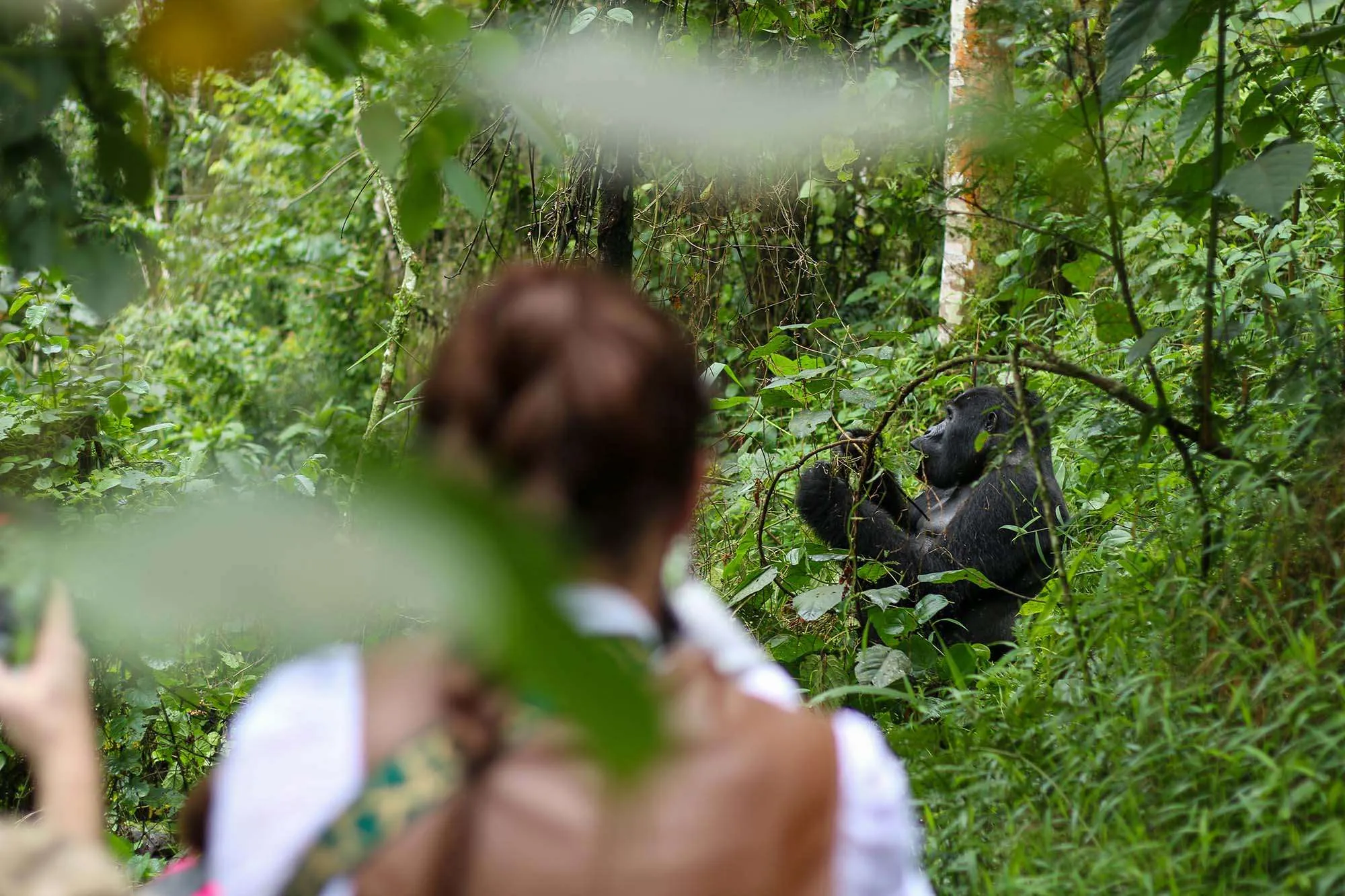
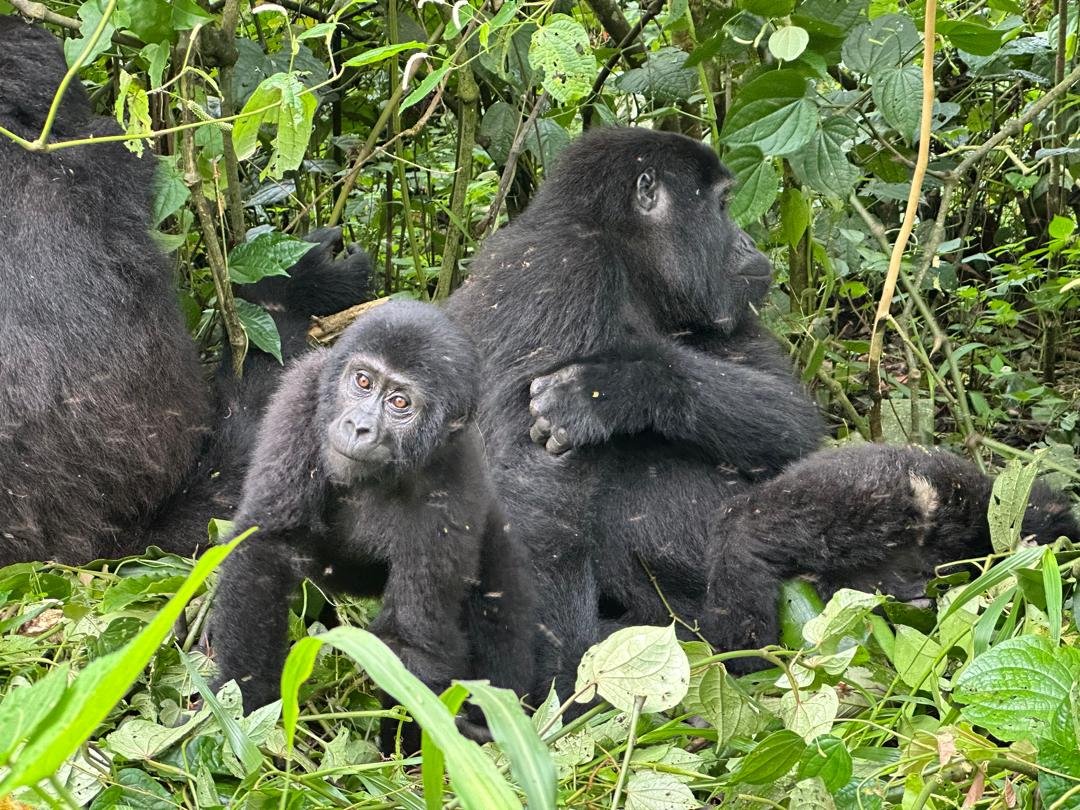
For gorilla trekking in Bwindi Impenetrable Forest, location matters more than accommodation style. Whether you choose an eco-lodge or traditional camp, proximity to trekking starting points in areas like Nkuringo will significantly impact your experience.
Environmental Impact and Values
If reducing your travel footprint is important to you, eco-lodges clearly take the lead. They typically implement comprehensive sustainability practices including solar power, waste recycling programs, water conservation systems, and locally-sourced materials. Many also contribute directly to conservation research and community development programs.
Traditional camps vary widely in their environmental practices. Some implement green initiatives, while others focus primarily on guest comfort with minimal environmental considerations. If sustainability matters to you, research each lodge’s specific practices rather than making assumptions.
Community Engagement Opportunities
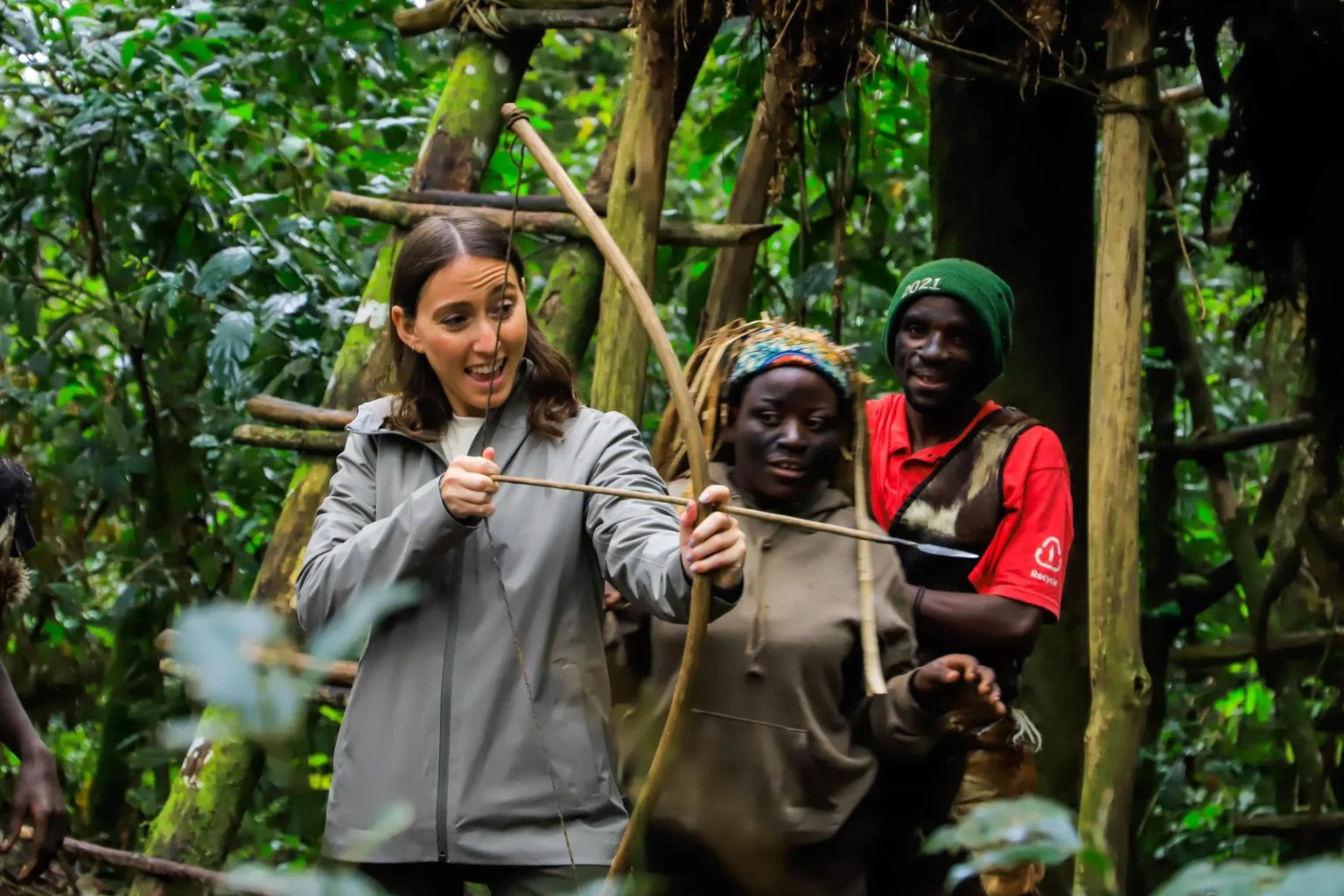
Eco-lodges often excel in connecting guests with local communities. They frequently arrange visits to nearby villages, schools, or women’s cooperatives, creating meaningful cultural exchanges that benefit both travelers and residents. These interactions often feel more authentic because they’re integrated into the lodge’s core mission rather than offered as add-on activities.
Traditional camps may offer cultural experiences, but these tend to be more formal and less integrated into daily operations. The quality varies significantly between different establishments.
Comfort Levels and Amenities
Traditional luxury camps typically offer the most comprehensive amenities. Expect multiple restaurants, bars, spa services, fitness centers, swimming pools, and extensive room service options. Accommodation prices often range from $300 to over $700 per person per night, reflecting these premium services.
Eco-lodges focus on essential comforts delivered sustainably. While you might not find a spa or multiple restaurants, you’ll still enjoy comfortable beds, hot water, excellent meals featuring local ingredients, and unique architectural touches that create memorable experiences.
Detailed Comparison: What to Expect
Dining and Culinary Experiences
Traditional camps often feature multiple restaurants, extensive wine cellars, and internationally-trained chefs preparing diverse cuisines. Dietary requirements are easily accommodated, and meal times are flexible to suit different safari schedules.
Eco-lodges emphasize local ingredients and traditional cooking methods, often creating more authentic culinary experiences. While menu options might be more limited, the focus on fresh, locally-sourced ingredients often results in exceptional flavors that reflect Uganda’s rich culinary heritage.
Transportation and Logistics
Both accommodation types typically provide 4×4 safari vehicles with experienced guides. Traditional camps might offer additional luxury touches like air conditioning, charging stations, and refrigerated drinks during game drives. Some also provide optional helicopter transfers between parks.
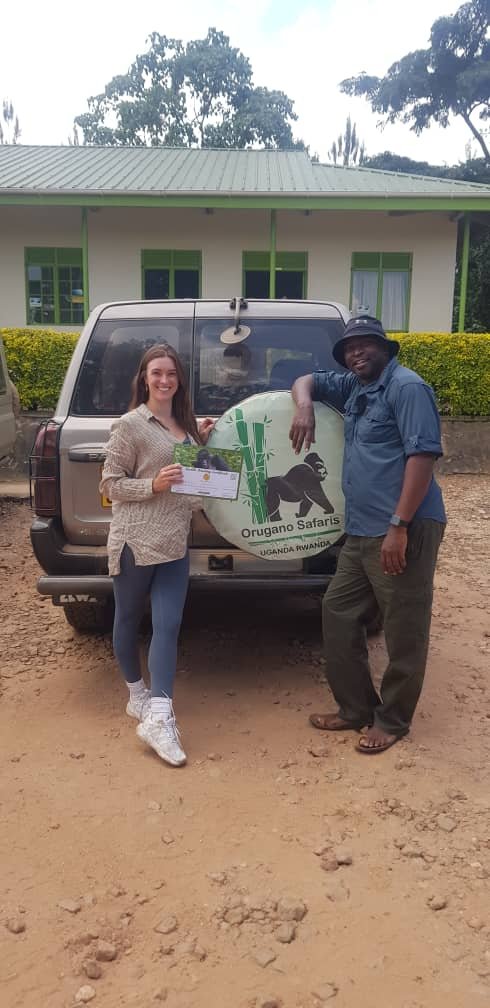
Eco-lodges use similar vehicles but may emphasize fuel efficiency and lower-impact transportation options. The focus is on experienced local guides who provide deep cultural and environmental insights during your safari activities. With Orugano Safaris, we coordinate private transfers, domestic flights, and cross-border logistics, ensuring smooth connections between Bwindi, Queen Elizabeth, Kibale, and even the Masai Mara or Serengeti if you’re extending your trip.
Evening Entertainment and Relaxation
Traditional camps excel in evening amenities. After a day of wildlife viewing, you can enjoy cocktails around the fire, spa treatments, or relaxing by the pool. These camps often feature elegant common areas designed for socializing with other guests.
Eco-lodges create evening experiences that connect you more directly with the natural environment. Think stargazing sessions, guided night walks, or storytelling around sustainable fire pits. The entertainment feels more integrated with the landscape and local culture.
Making Your Decision: Which Is Right for You?
Choose a traditional luxury camp if you:
- Prioritize maximum comfort and comprehensive amenities
- Want multiple dining options and extensive room service
- Prefer established luxury brands with proven track records
- Plan to spend significant time at the lodge between safari activities
- Value swimming pools, spas, and other resort-style amenities
- Don’t mind higher environmental impact for increased comfort
Choose an eco-lodge if you:
- Value environmental sustainability and conservation
- Want authentic connections with local communities
- Appreciate unique architecture that reflects local culture
- Prefer supporting locally-owned businesses
- Enjoy the story and mission behind your accommodation choice
- Are comfortable with slightly fewer amenities in exchange for meaningful experiences
The Best of Both Worlds
Some lodges successfully combine luxury with sustainability. These establishments offer comprehensive amenities while maintaining strong environmental and community commitments. When researching options, look for lodges that have achieved certifications from organizations like the Global Sustainable Tourism Council.
Special Considerations for Uganda Safaris
Uganda’s diverse landscape offers unique opportunities regardless of your accommodation choice. From gorilla trekking in Bwindi Impenetrable National Park to chimpanzee tracking in Kibale Forest, your lodge choice should complement your planned activities.
For gorilla trekking specifically, consider lodges that offer early morning departure advantages and post-trek recovery amenities. The physical demands of trekking through dense forest make comfortable accommodation particularly valuable.
Budget Considerations Beyond Room Rates
While eco-lodges sometimes cost less than ultra-luxury traditional camps, prices vary significantly within each category. Factor in what’s included: meals, drinks, activities, transportation, and park fees. Some eco-lodges offer excellent all-inclusive packages that provide better overall value than traditional camps charging separately for each service.
Consider also the long-term value of your choice. Staying at an eco-lodge contributes directly to conservation efforts and community development, creating positive impacts that extend far beyond your visit.
Research Tips for Your Final Selection
Don’t rely solely on accommodation type when making your decision. Research specific lodges by reading recent guest reviews, examining their sustainability certifications, and understanding their conservation contributions. Contact lodges directly to discuss your specific interests and requirements.
Ask about their guide training programs, community partnerships, and environmental initiatives. The best lodges of both types will be transparent about their practices and passionate about sharing their conservation stories.
Your perfect luxury Uganda safari accommodation awaits: whether it’s an innovative eco-lodge that lets you sleep under the stars while protecting them for future generations, or a traditional luxury camp that pampers you between incredible wildlife encounters. The choice ultimately depends on what kind of story you want your African adventure to tell.
Ready to start planning your luxury Uganda safari? Contact Orugano Bwindi Lodge to discover how we combine sustainable luxury with unforgettable gorilla trekking experiences in the heart of Bwindi Impenetrable Forest. Planning a multi-park or multi-country itinerary? Orugano Safaris designs personalised Uganda, Rwanda, Kenya and Tanzania safaris that pair perfectly with your stay at Orugano Bwindi Lodge. Our eco-conscious approach doesn’t compromise on comfort; it enhances every moment of your African adventure.