Planning a safari is often treated like a simple hotel-and-flight booking exercise, but on the ground, it is a logistical operation. You aren’t just choosing lodges; you are coordinating permits, bush flights, border timings, 4×4 transit, and primate tracking windows that can close months before you travel.
This guide is built as a practical East Africa safari planning hub. It helps you understand what safari travel actually involves in Uganda, Rwanda, Kenya, and Tanzania, while also showing you why people put in the effort in the first place. Use it as your starting point, then move into our detailed guides on permits, itineraries, gorilla trekking, and migration timing as you narrow down your route.
The Permit Scarcity Reality: Bwindi vs. Volcanoes
If you want to see mountain gorillas, your first decision isn’t which lodge you like; it’s which permit you can secure.
In Uganda, a standard gorilla trekking permit costs US$800 under the UWA tariff for July 2026 to June 2028 (US$600 in April, May and November). This gives you exactly one hour with a habituated gorilla family. If you want more time, you opt for the Gorilla Habituation Experience at US$1,500 (US$1,800 from 1 January 2027), which grants you four hours in the presence of a family still undergoing habituation.
Compare this to Rwanda, where a standard permit is US$1,500.
The blunt truth about availability:
- Permit sell-outs: For peak months (June to September and December to February), permits sell out 6 to 12 months in advance. If you decide to travel in August for a trip in September, you are likely looking at limited remaining permits and less flexible lodge choices.
- The Sector Lottery: Bwindi is not one single point. It is divided into four sectors: Buhoma, Ruhija, Rushaga, and Nkuringo. Your permit is tied to a specific sector. If your lodge is in Buhoma but your permit is for Rushaga, you face a 3-hour pre-dawn drive on steep mountain roads just to reach the briefing point. We ensure your lodging and permits are in the same sector to avoid this.
The Emotional Payoff
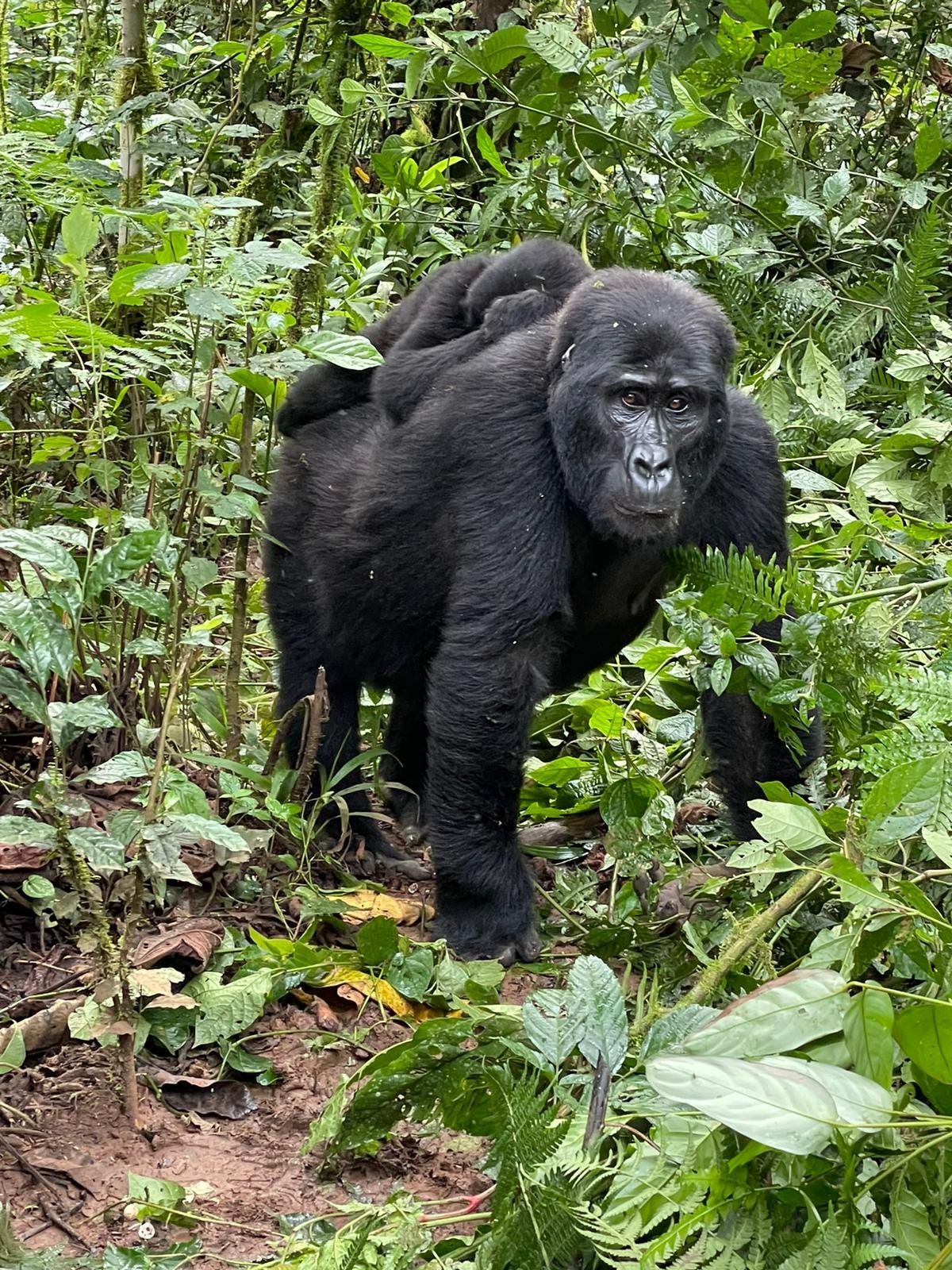
This is the part logistics exist to protect. When your permits, lodge, and sector line up properly, you arrive calm, not rushed. Then the forest takes over. The first thing many travelers notice is the quiet. Not silence in the abstract, but that muffled Bwindi stillness where every snapped twig matters. Then you realize the gorillas are not just being watched. They are watching you back, sizing you up with the same calm attention you came to give them.
If gorillas are your main reason for coming to East Africa, continue with our detailed Gorilla Habituation Experience guide, browse a practical Bwindi gorilla itinerary, or send us your dates and we’ll check permit availability in real-time.
Hiking & Fitness: More Than a Walk in the Park
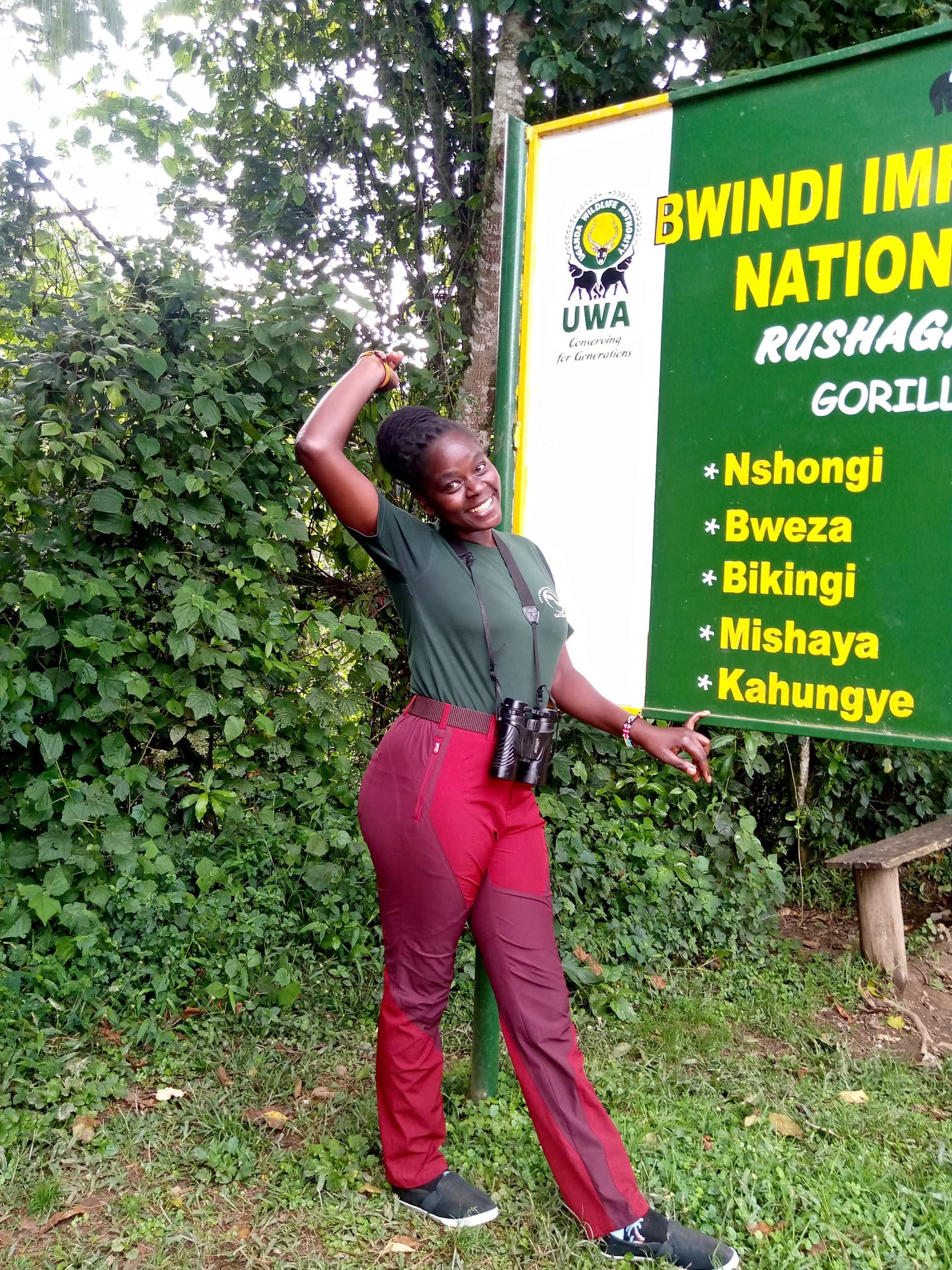
Don’t let the word “trekking” fool you into thinking this is a groomed trail. You are moving through forest, roots, mud, and steep slopes.
Standard Trekking (1 Hour)
You hike through dense vines and over mossy roots until the trackers locate the family. The hike can last anywhere from 45 minutes to 6 hours. The morning mist in Nkuringo is cold enough to need a fleece, but within an hour of hiking, you will be sweating through your shirt.
The Emotional Payoff
What people remember is not usually the hill they climbed. It’s the reset that happens when the talking stops. Your breathing settles. The trackers raise a hand. Then the forest opens and the whole mood changes in seconds. One gorilla feeds, another shifts in the undergrowth, and the scene feels close enough to be unsettling in the best way. You stop thinking about fitness and start paying attention to every small movement.
Habituation Logistics (4 Hours)
The Gorilla Habituation Experience is more physically demanding. You aren’t just observing; you are following the gorillas as they move. If the family decides to climb a steep ridge, you climb it with them. 80% of our guests find this 4-hour trek more rewarding, but only if they are prepared for long hours on uneven ground and constant movement.
The Emotional Payoff
The extra hours change the pace of the encounter. Instead of one intense burst, you start seeing behavior unfold over time. You notice the sound of feeding, the way young gorillas test boundaries, and the way the silverback controls space without drama. That longer window gives you something standard trekking often cannot: enough time to settle in and feel like you are part of the forest rhythm rather than just passing through it.
Operational Reality: If you have knee issues or limited mobility, we book you in the Buhoma sector. It generally offers “flatter” terrain, though “flat” in Bwindi still involves significant elevation.
For route planning, compare this with our 6-day Uganda Gorilla Habituation Safari and ask us which sector best fits your fitness level and dates.
Transit Strategy: Fly-in vs. The “African Massage”
You have two ways to get from Entebbe to the gorillas. Choose based on your budget, timeline, and how much overland travel you actually enjoy.
- The Drive (9-10 Hours): The road from Entebbe to Bwindi is long. The first 6 hours are on paved tarmac, but the final 3 hours into the mountains are a slow, winding ride on dirt tracks that cling to the hillsides. It is a full travel day, but it also gives you a real look at Ugandan towns, trading centers, farms, and changing landscapes.
- The Fly-in (1.5 Hours): You take a small Cessna from Entebbe to Kihihi or Kisoro airstrips. It’s fast, scenic, and expensive. From the airstrip, it’s still a 1 to 2-hour drive to your lodge, but you save two full days of travel time.
The Emotional Payoff
The drive gives you scale. You watch the country change hour by hour, from city edges to cultivated hills to the steep green folds around Bwindi. The fly-in gives you anticipation. You land already close to the main event, with the forest and volcano country filling the horizon. Neither option is just transport when planned well; each one shapes how your safari begins.
Pro Tip: If you are doing a multi-country safari, flying is often the smartest way to protect your time and energy.
If you’re unsure which arrival point makes sense, tell us your entry airport and we’ll advise on the best route between Entebbe, Kigali, Bwindi, and your next park.
Seasonality: When to be Where
The Wildebeest Migration is the most misunderstood event in East Africa. It is not a single “event” you catch; it is a year-round cycle.
- January – March: Go to the Southern Serengeti (Ndutu). This is calving season. You will see thousands of foals and intense predator action as lions and cheetahs take advantage of the easy targets.
- July – October: This is the iconic Mara River crossing period. You should be in Northern Serengeti (Kogatende) or the Maasai Mara. Be prepared for crowds; this is the busiest time of year.
- The Rainy Season (April – May): Many lodges close. Roads can become slow and slippery. However, if you don’t mind occasional weather delays, the Green Season offers lower prices, fresh scenery, and far fewer vehicles.
The Emotional Payoff
Timing changes the feeling of a safari as much as it changes the sightings. Calving season feels tense and alive. River-crossing season feels charged, with everyone waiting for movement at the banks. The green months feel quieter and more spacious, with softer light and fewer vehicles around you. Good timing is not just about checking off wildlife; it is about choosing the atmosphere you want.
If migration timing is your main focus, ask us for the right month and region combination, or pair this planning guide with one of our custom East Africa itineraries.
Field Insights: The Reality of the Bush
We don’t use polished brochure language because it doesn’t prepare you for the reality of the bush. Here is what it actually feels like:
- The Dust: On a dry-season savannah safari in Queen Elizabeth or the Serengeti, fine red dust gets into camera bags, daypacks, and the seams of your clothes. Bring a buff or scarf.
- The Smell: The savannah has a specific scent, a mix of dry grass, wild sage, and the musky edge of a nearby buffalo herd. It stays with you.
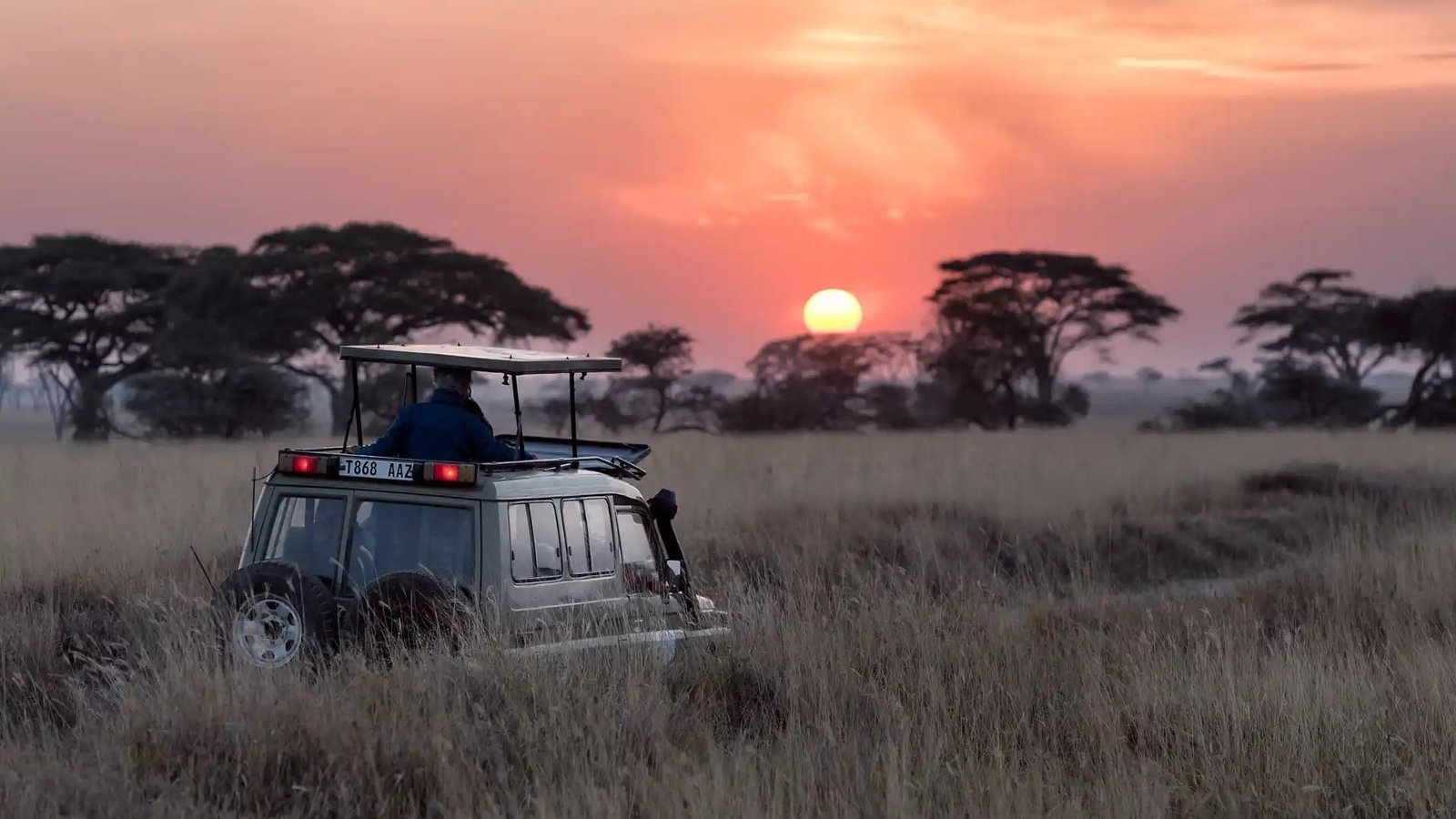
- The Vehicle: We use custom-built 4×4 Land Cruisers with pop-up roofs. They are rugged, not luxury sedans. You will feel the texture of the road. This is why we prioritize experienced local guides who know how to read the tracks and keep the day moving well.
The Emotional Payoff
These details are part of what makes safari memory stick. The smell of warm grass at first light, the sound of tires on murram, the way everybody goes quiet when a guide stops the vehicle and points ahead, these are the things that bring people back. Field realism should help you prepare, not put you off. When you know what the bush actually feels like, you enjoy it more.
Safari Psychology: Choosing Your Style

Are you a “Check-the-Box” traveler or a “Slow-Burn” explorer?
- The 3-Day Blitz: Fly in, trek gorillas, fly out. High intensity, high cost, low context.
- The 10-Day Deep Dive: Combines gorillas in Bwindi, chimps in Kibale, and lions in Queen Elizabeth NP. This is the most balanced way to experience Uganda.
- The Custom Route: Tell us your arrival airport (Kigali vs. Entebbe) and we’ll advise on the best route. Starting in Kigali and driving to Bwindi is only 4-5 hours, compared to 9 hours from Entebbe. This is a common time-saving option for travelers who want to reduce overland hours without paying for a domestic flight.
The Emotional Payoff
The right safari style changes how your trip feels in hindsight. Fast itineraries give you a sharp hit of wildlife and little downtime. Longer routes give you context, recovery time, and a better sense of place. If you want East Africa to feel like more than a checklist, pace matters.
To keep planning, explore our Uganda Gorilla Habituation Safari, our 12-day Uganda wildlife and primate safari, or contact us with your dates, airport, and trip length.
Frequently Asked Questions
Is gorilla trekking safe?
Yes. You are accompanied by armed rangers (to protect against forest elephants and buffalo, not people) and expert trackers. The gorillas are habituated to human presence and generally ignore you unless you break the 7-meter rule.
What should I pack for Bwindi?
Gaiters (to keep ants out of your socks), garden gloves (for grasping stinging nettles while climbing), and waterproof hiking boots with good ankle support.
Can I see gorillas and the migration in one trip?
Yes, but it requires a multi-country package. You typically trek in Uganda/Rwanda first, then fly to the Serengeti or Masai Mara. We handle all the cross-border logistics and health requirements (like Yellow Fever certificates).
Ready to turn ideas into a workable East Africa safari plan?
Use this page as your starting guide, then move into permits, destination pages, and itineraries based on what matters most to you. If you want help fast, tell us your travel style and we’ll build your custom route.