Planning a Uganda safari from the United States starts with your interests, available time and gorilla permit dates. At Orugano Safaris, we continue welcoming guests and arranging journeys on the ground. This guide explains how we plan those trips, what to prepare before departure, how safety looks on the ground, and the visa and return requirements to consider.
This article is written for travelers who hold US passports. On a different passport, entry rules and return requirements may differ, so confirm them with your own authorities before booking.
What Traveling With Orugano Looks Like
We are a Uganda-based operator; hosting guests is our daily work, not something arranged through intermediaries.
When guests travel with us, an experienced local guide drives a private safari vehicle and stays with them for the trip. We plan the route around permits, drive times and lodge locations, meet flights at Entebbe or Kigali, and coordinate directly with the lodges. When a road condition changes or a flight time moves, adjustments happen on the ground.
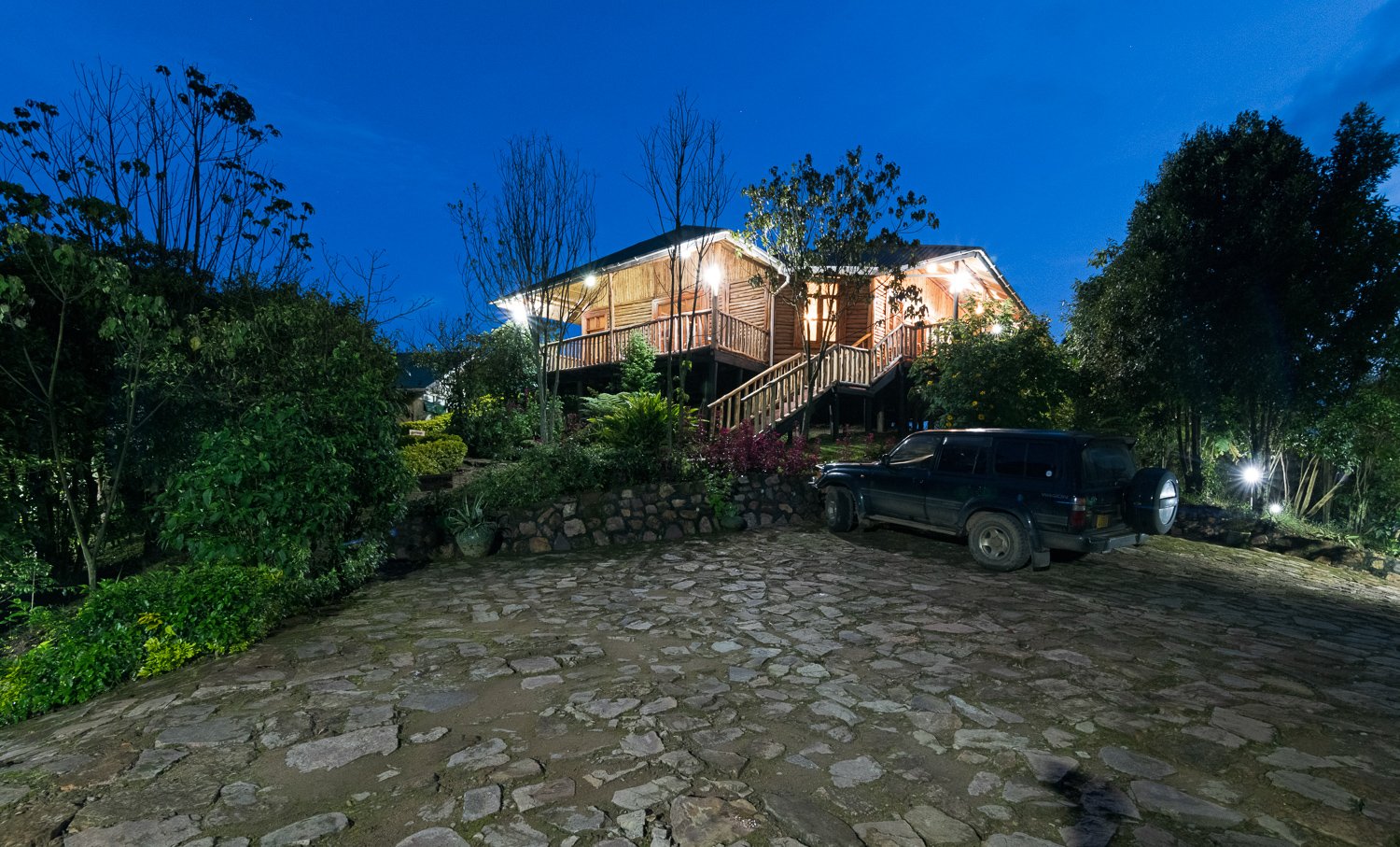
A recent example from Nkuringo: two French guests stayed with us for six nights at our lodge in the sector, the first guests to request a stay that long there. They trekked gorillas, walked the buffer-zone trail through the community, visited a local family’s home, and played football with neighborhood children in the evenings. That kind of stay is only possible when the operator knows the trailheads and shapes the days around what the guests actually want.
Is Uganda Safe for American Tourists? Our Experience on the Ground
Uganda continues to welcome visitors from the United States, Europe and many other parts of the world. Gorilla trekking, wildlife safaris, chimpanzee tracking and other tourism activities operate as usual.
At Orugano Safaris, we work directly with visitors traveling through Uganda, arranging their accommodation, transport, guides, gorilla permits and activities. We also welcome international guests at our own Orugano Bwindi Lodge near the Nkuringo trekking sector.
We understand that American travelers may have concerns after reading the US State Department’s Level 4 travel advisory. It is important to explain what we experience here in Uganda.
Uganda is not a country experiencing nationwide warfare. Hotels and lodges are operating, national parks continue receiving visitors, and organized safaris are taking place. In 2025, Uganda recorded more than 1.6 million international visitor arrivals, per the Ministry of Tourism’s statistical abstract.
Like other international destinations, Uganda has security risks, and conditions can differ between locations. We do not suggest that incidents cannot happen. Our role as a local operator is to understand the places our guests intend to visit, organize suitable routes and transport, and stay informed about conditions affecting journeys.
For American travelers, there is a practical consideration: US government travel advisories and temporary health-related return requirements may affect flight arrangements and travel insurance. Check these before confirming your journey, particularly when booking return flights.
Our experience is that Uganda remains an active and welcoming safari destination. Prospective visitors should have access to both official travel information and the firsthand perspective of people who live and work in the country.
A Note on Ebola and Current Travel Arrangements
Uganda’s 2026 Ebola outbreak was officially declared over on 27 August 2026, and the CDC’s update of 9 October reported no active cases in Uganda.
American visitors continue traveling to Uganda, although temporary US public health screening arrangements remain in place for returning travelers. These matter when booking return flights, but should not be confused with the day-to-day operation of Uganda’s national parks and safari lodges.
Choosing the Route and Duration
Trip planning starts with three questions: your available days, what you most want to see, and your preferred pace.
- 7 days suits one focus: gorillas plus chimpanzees or a savannah extension.
- Ten days allows a useful combination of gorillas, chimpanzees and a park; our 10-day western Uganda safari shows how it fits together.
- 14 days adds Murchison Falls or Lake Bunyonyi at a slower pace.
- 21 days opens up multi-country travel combining Uganda with Rwanda, Kenya and/or Tanzania; we can advise on options and what that length can realistically include.
Your gateway follows the route. If your main objective is gorilla trekking in southern Bwindi, flying into Kigali puts you about four to five hours from the gorilla sectors by road, instead of the roughly nine to ten hours, condition-dependent, that the drive from Entebbe takes; Americans do not necessarily need to spend an entire day driving from Entebbe to reach the gorillas. Entebbe remains the natural choice for longer itineraries that add Murchison Falls, Kibale, Queen Elizabeth or Jinja. Our Kigali vs Entebbe guide compares the two, and many travelers arrive at one and depart from the other to avoid backtracking.
Securing Gorilla Permits First
This is the principle that shapes everything else: agree the route, secure the permits, then coordinate flights and accommodation around those dates. Gorilla permits should be purchased and secured before booking the flight.
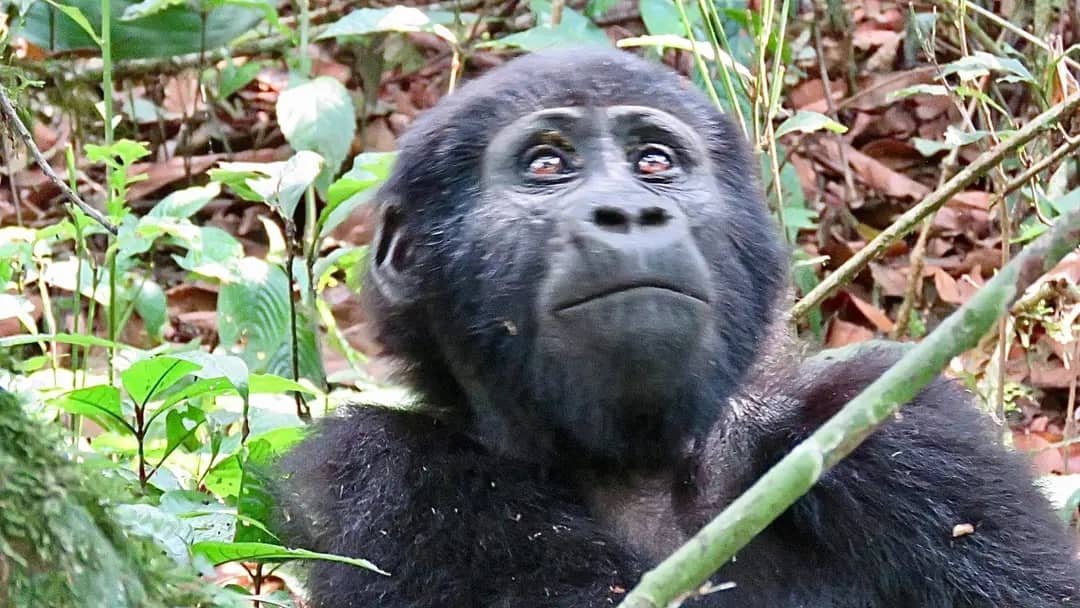
Gorilla permits are issued by the Uganda Wildlife Authority for specific dates and sectors, and peak-season permits sell out first. A permit date fixes your arrival and departure windows, so availability has to come first: booking non-refundable international flights before confirming permits risks paying for travel dates you cannot trek on.
When you enquire with us, we check permit availability for your travel month, agree the route and sector together, and secure the permits for those confirmed dates; flights and accommodation are then coordinated around them. Our permit guide explains the system, and permit fees are set by the Uganda Wildlife Authority tariff; permits are included in the quotation for any safari you book with us.
Practical Preparation Before Departure
Passport and visa
Your passport must be valid for at least six months beyond your arrival date, with a blank page for the entry stamp. US citizens need a visa, and visas on arrival are no longer issued. Apply through the official portal, visas.immigration.go.ug; fraudulent sites imitate it, so type the address in yourself.
The tourist single-entry visa costs US$50. If your trip also includes Rwanda or Kenya, the East African Tourist Visa costs US$100 and covers all three countries for 90 days with multiple entries; apply through the immigration portal of the country you enter first, which must be your first port of call.
- Create an application and choose the tourist single-entry visa, or the East African Tourist Visa if it applies.
- Upload your passport biographical page, a recent photo, your travel itinerary and accommodation details.
- Pay online. Processing usually takes two to three working days, but apply several weeks before departure: applying close to departure leaves no margin for problems.
- Once approved, you receive a Travel Authorization letter; print it and carry it with your passport for check-in and immigration on arrival.
Health preparation
Ask your travel-health clinician about prescription malaria prevention for Uganda. Options may include atovaquone-proguanil, doxycycline, mefloquine or tafenoquine; the appropriate choice depends on your health history and individual requirements. Malaria risk exists throughout the country, so have this conversation four to six weeks before departure.
Uganda no longer requires a yellow fever vaccination certificate for entry. The CDC still recommends yellow fever vaccination for travelers to Uganda; your clinician can advise what suits you. See the immigration announcement and the CDC Uganda page.
Arrange travel medical insurance with emergency evacuation cover, and pack insect repellent and long sleeves for evenings. There are no direct flights from the USA to Uganda; journeys connect through hubs such as Doha, Istanbul, Amsterdam, Brussels or Dubai, and total travel time depends on your departure city and connections. Book airport transfers in advance as part of the itinerary so your arrival day is arranged.
Road travel
Distances between parks are longer than they look on a map, and road conditions vary by route and season. Your safari travels in a proper safari vehicle with an experienced local guide who plans the route and manages the driving; we do not recommend self-driving for first-time visitors. Raise any concerns about road travel with us during planning.
Requirements for US Citizens Returning Home
As of mid-October 2026, applicable travelers who have been present in Uganda within the preceding 21 days must enter the United States through designated airports for enhanced public health entry screening, and US citizens may return subject to those arrangements. Health monitoring is measured from your departure from the affected country. The designated airports currently listed by the CDC are:
- Washington Dulles International Airport (IAD)
- Hartsfield-Jackson Atlanta International Airport (ATL)
- New York John F. Kennedy International Airport (JFK)
Reconfirm your return routing with your airline before booking and before departure. The designated-airport list can change, so check the CDC returning-travelers page and the US Embassy in Kampala health alerts for the current position, and confirm your connections do not route through the DRC, which faces stricter restrictions.
Costs and Budgeting
Beyond the visa costs above, your budget depends on your choices:
- Gorilla and chimpanzee permits. Prices are set by the Uganda Wildlife Authority and change periodically; the current figures appear in the UWA tariff, and permits are included in the quotation for any safari you book with us.
- Accommodation level. Lodge standards range from budget camps to high-end properties, usually the largest variable.
- Season. Peak months carry higher lodge rates.
- Internal flights. Light-aircraft sectors shorten long road transfers and add cost.
- Vehicle and guiding. A private safari vehicle with an experienced local guide is part of every itinerary we run.
Our Uganda safari cost guide gives a worked breakdown. For a price on your own trip, send your travel month, number of travelers and preferred lodge level, and we will quote a tailor-made safari with permits included.
Frequently Asked Questions
When should we secure gorilla permits?
First. Agree the route, then permits should be purchased and secured before booking the flight. Accommodation follows around those dates, and peak-season permits sell out first.
Do US citizens need a visa for Uganda?
Yes. Apply through the official portal several weeks ahead; the single-entry tourist visa costs US$50, and the East African Tourist Visa costs US$100 if your trip includes Rwanda or Kenya.
Is a yellow fever certificate still required?
No. Uganda no longer requires a yellow fever vaccination certificate for entry, though the CDC still recommends vaccination. Confirm with your clinician.
Which US airports can we return through?
As of mid-October 2026: Washington Dulles (IAD), Atlanta (ATL) and New York JFK, for applicable travelers who have been in Uganda within the preceding 21 days. See the return section above and reconfirm with your airline.
Is Uganda safe to visit for a safari?
Uganda continues to welcome international visitors and safari activities continue to operate. See our experience on the ground above, and check official advisories and alerts.
Can we combine Uganda and Rwanda?
Yes. Many guests fly into Kigali and out of Entebbe; compare Uganda and Rwanda for gorilla trekking.
Plan Your Uganda Safari
Tell us your travel month, how many days you have and what you most want to see. We will check permit availability, agree the route, and arrange permits, lodges, guides and transfers around those dates. Request your personalized Uganda safari quotation.